Buying guide
How to Choose an Electric Bike: The Decisions That Actually Matter
A first-time buyer's guide to picking an e-bike by motor position, sensor type, class, and use case, not by wattage or top speed.
Updated November 6, 2026 · Based on 7 sources · How we research
If you have been reading e-bike spec sheets, you have probably noticed that the headline numbers (watts, top speed, range in miles) are the easiest to compare and the least useful for predicting whether you will enjoy the bike. A 750W hub motor and a 250W mid-drive can feel nothing alike on the same hill. A Class 3 bike that tops out at 28 mph is illegal on the trail where your Class 1 neighbor rides every weekend. A torque sensor on a $1,999 bike will feel more natural than a cadence sensor on a $4,000 one. This guide walks through the four decisions that actually shape the ride: what you want to do with the bike, where the motor sits, what sensor it uses, and which class it belongs to. Everything else (frame material, display, color) is downstream of those.
Start with how you'll ride, not what you'll buy
The single most common first-time mistake is shopping by spec before shopping by use. The right e-bike for a 4-mile flat commute on paved bike lanes is almost nothing like the right one for a 20-mile hilly ride, which is almost nothing like the right one for singletrack. A bike that is perfect for one use will be wrong for another at any price.
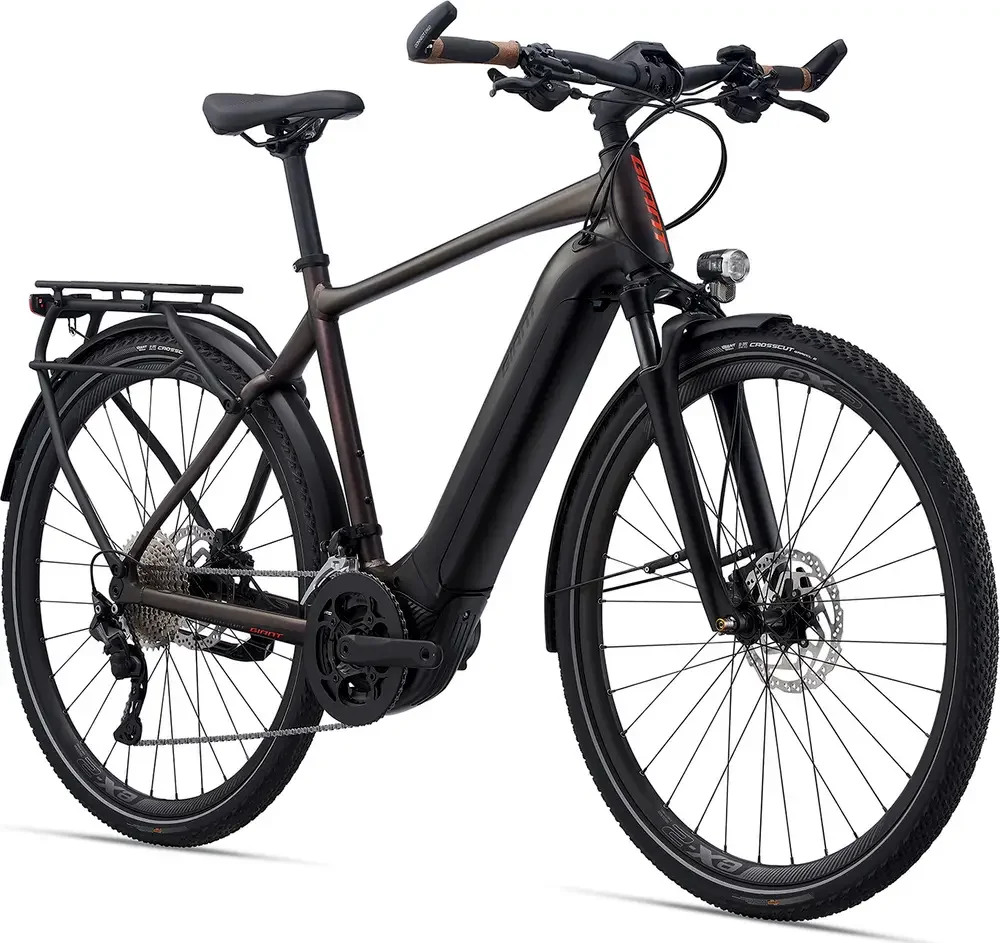
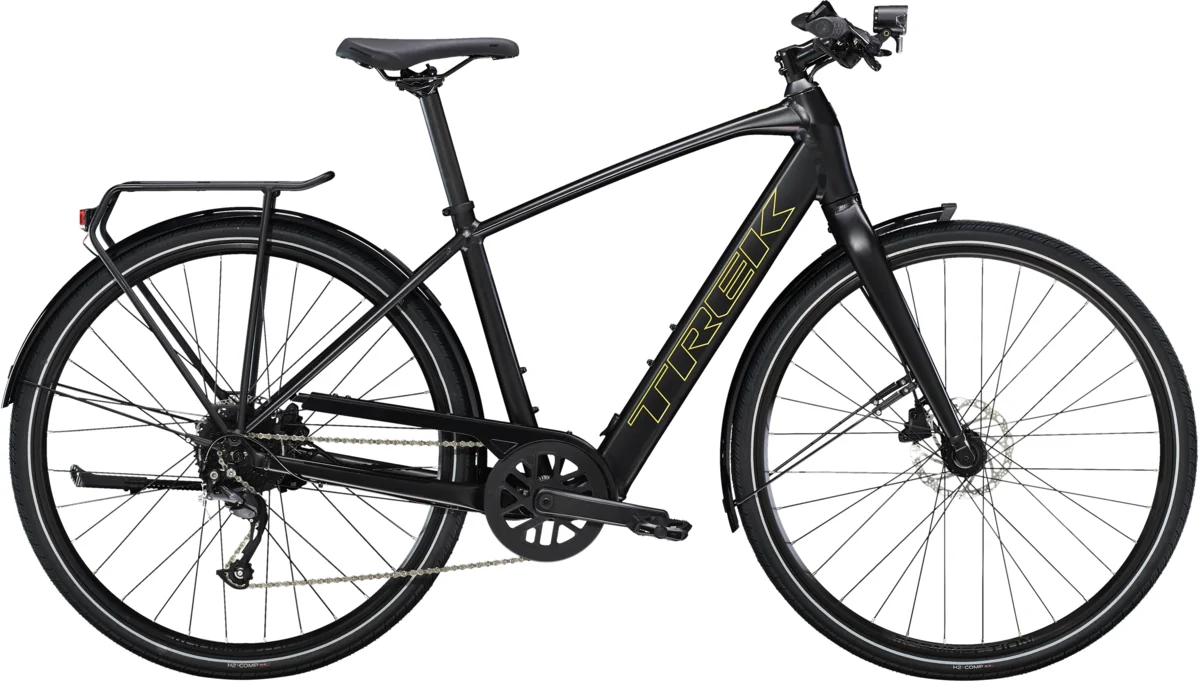
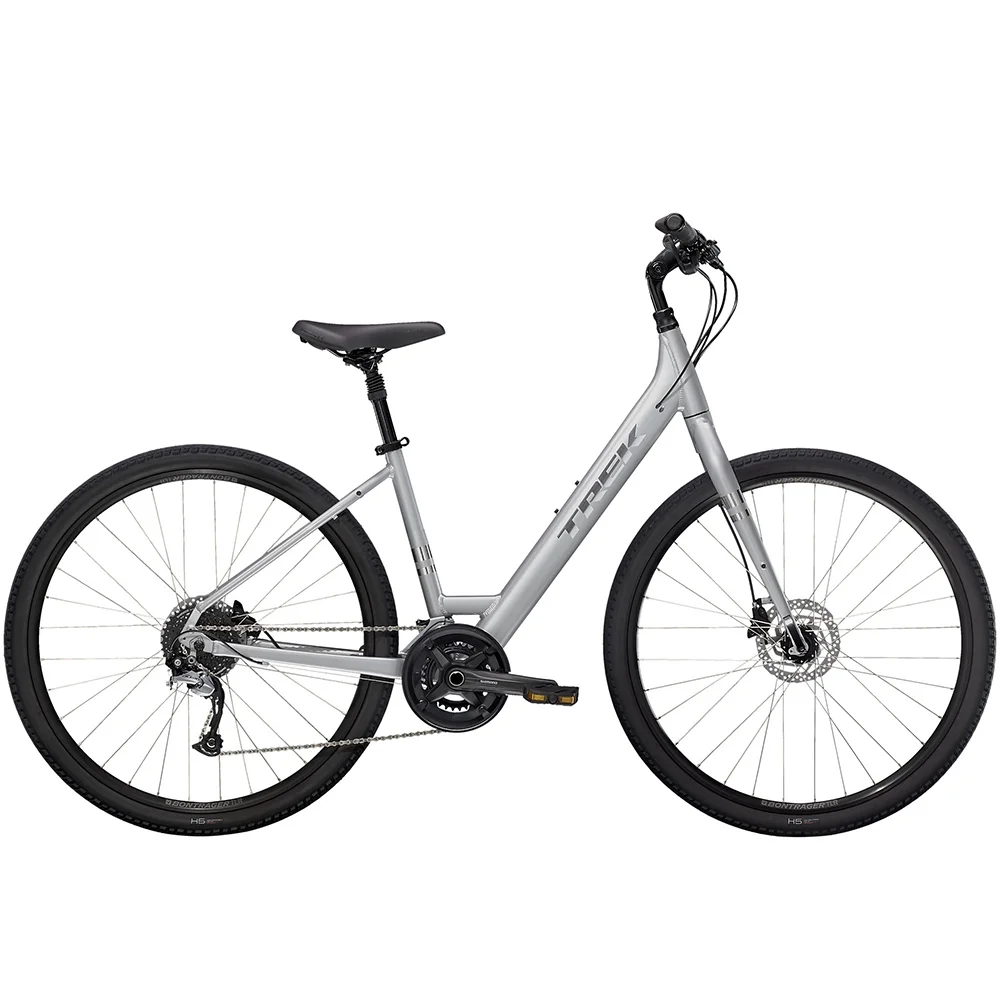
Four use cases cover most buyers. The flat urban commute wants a light, upright hybrid: a bike like the Trek FX+ 2 at 39 lb or the Cannondale Quick Neo SL 2 at 34 lb is easy to carry up stairs and store in an apartment, even though its 35 to 40 mile advertised range is short. The longer suburban commute with hills wants more battery and more torque, which is where mid-drive commuters like the Trek Verve+ 3 Lowstep (Bosch, 65 Nm) or Giant Explore E+ 1 Pro GTS (85 Nm) earn their higher price.
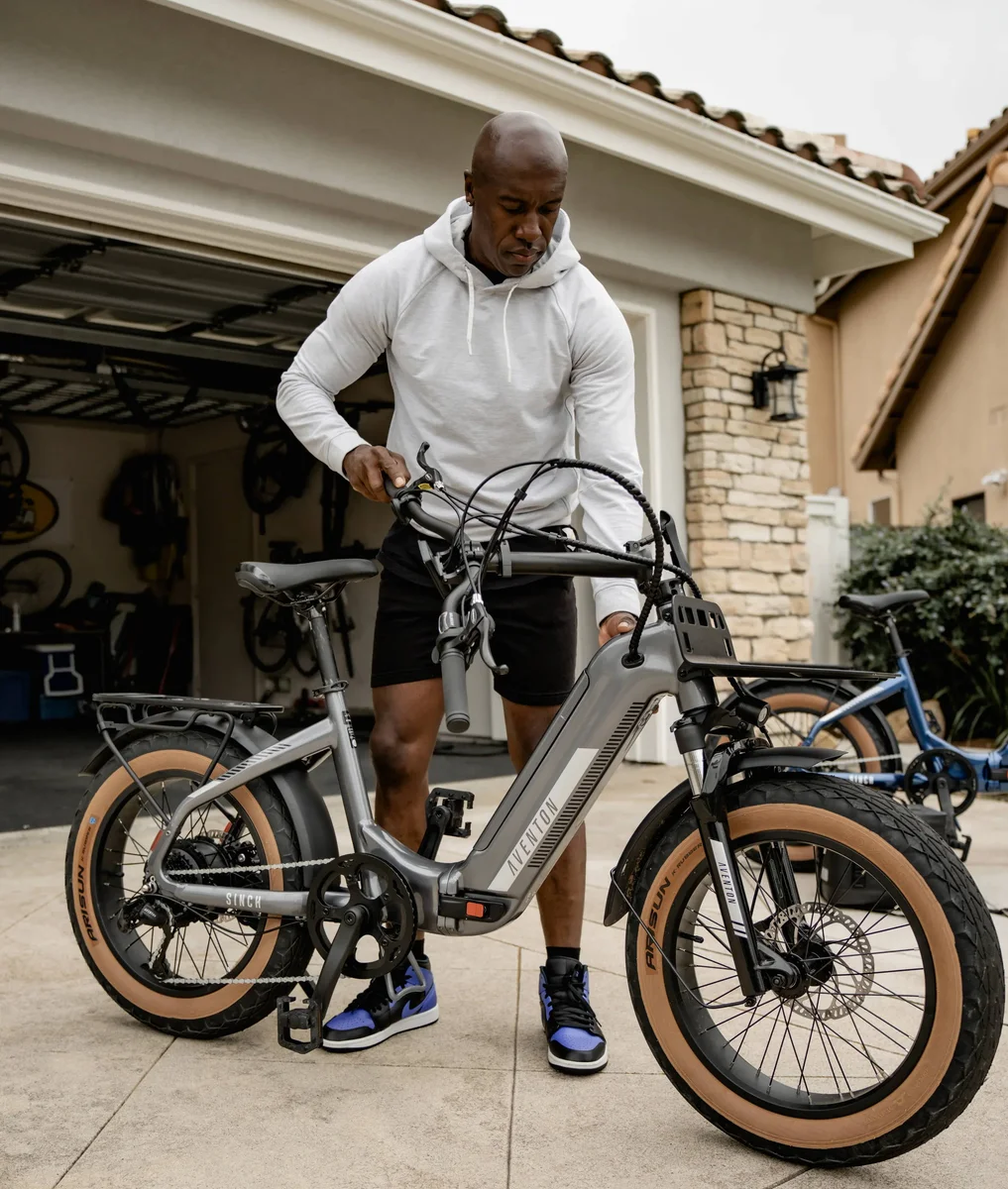
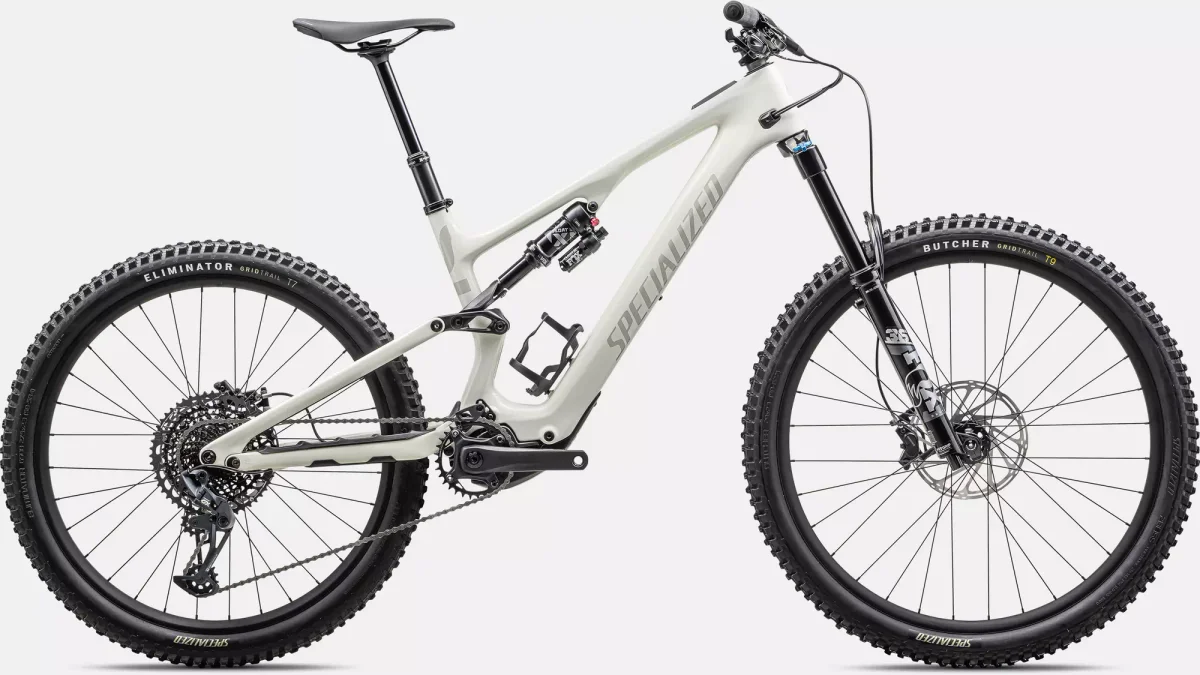
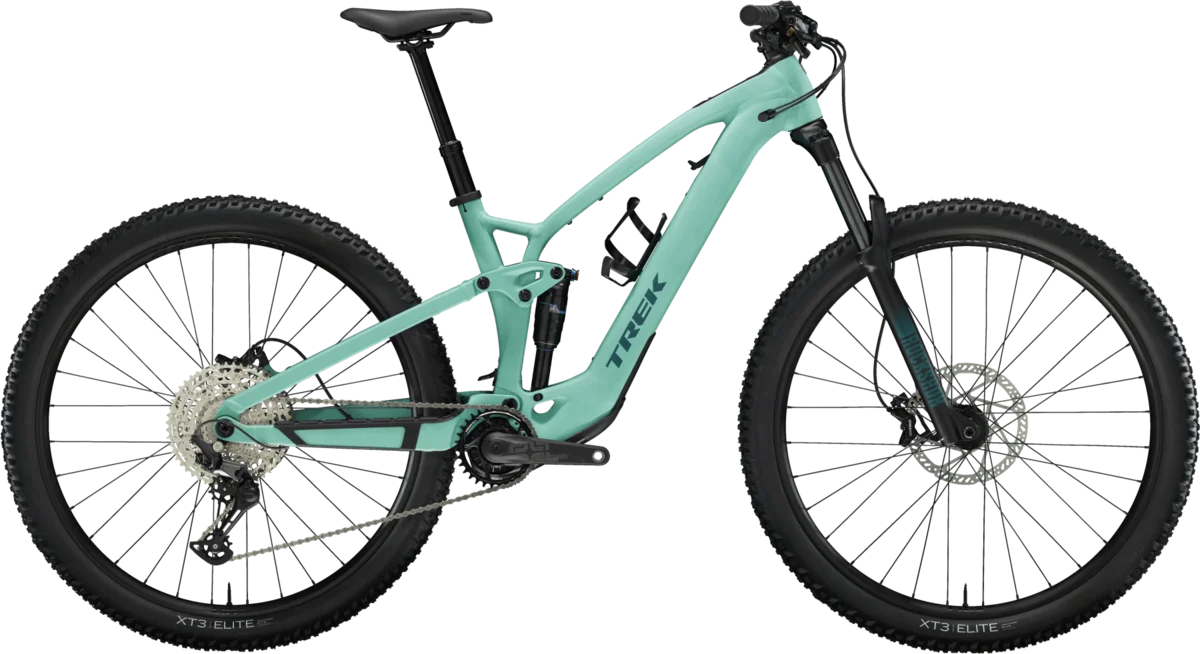
The storage-constrained or travel-focused buyer wants a folder like the [Lectric XP 3.0](/items/lectric-xp-3.0-2024) or Aventon Sinch.2, which fit in a car trunk at the cost of 60-plus-pound weight and bulkier geometry. The off-road rider wants a mountain-specific eMTB such as the Specialized Turbo Levo SL Comp Carbon or Trek Fuel EXe 9.5, which are not legal on most Class 3 road routes but are the only sensible choice on a trail. Decide which of these describes you first; the rest of the specs fall out of that.
Should I get a hub motor or a mid-drive?
This is the most consequential mechanical decision, and it is largely a question of where you ride. A hub motor sits inside the wheel (usually the rear) and drives it directly. A mid-drive motor sits at the crankset and pushes through the bike's gears, so the rider's chosen gear multiplies the motor's torque. Upway's hub-versus-mid-drive comparison notes that on a steep grade, a mid-drive can hold around 11 mph where a hub struggles at 7 to 8 mph, because the mid-drive can shift into a low gear while the hub motor has only one fixed mechanical advantage.
Hub motors are cheaper, simpler, and easier for most bike shops to service. Red Tail eBikes' motor guide explains that the motor is sealed inside the wheel and generally needs no attention; a hub-drive bike is mostly a regular bicycle with a self-contained power pack. Chain and cassette wear is also lower because the motor does not push through them. The trade-off is weight distribution (heavier at the driven wheel), weaker sustained climbing, and a slightly less bike-like feel.
Mid-drives shine on hills, with cargo, or on long rides where efficiency matters. They center the weight low on the frame and let you downshift to crawl up a grade the way a regular bike does. The downside is cost (expect $500 to $1,000 extra at equivalent spec), faster chain wear, and more complex service. A good rule of thumb: if your rides are flat and under 10 miles and your budget is tight, a hub motor like the one on the [Aventon Pace 500.3](/items/aventon-pace-500.3-2024) will do everything you need. If you live somewhere hilly, plan longer rides, or want the most natural ride feel, a Bosch, Shimano, or Specialized mid-drive is worth the premium.
Is a torque sensor worth paying more for?
The sensor is what tells the motor when and how hard to push. A cadence sensor only detects that the pedals are turning and switches assist on at whatever level you selected; a torque sensor measures how hard you are pushing on the pedals and scales motor help to match. Aventon's own explainer describes torque-sensor assistance as more natural and intuitive and notes that cadence-sensor bikes consume more battery because the motor runs at a set output whenever you spin the cranks.
The difference is easiest to feel on hills and in starts from a stop. With a cadence sensor, soft-pedaling at a red light still triggers full assist as soon as the pedals move, which some riders find jumpy. With a torque sensor, the bike responds to your legs the instant they respond: push harder, get more help. Owners commonly describe this as feeling like a regular bike with a strong tailwind rather than a scooter with pedals.
The decision is not just about mid-drive versus hub. There are good hub motors with torque sensors: the Aventon Level.2 is $200 more than the cadence-sensor [Pace 500.3](/items/aventon-pace-500.3-2024) and keeps the same hub motor; the Trek FX+ 2 uses a lightweight hub motor paired with a torque sensor for a notably natural feel at 39 lb. If the bike will be your daily transport, the upcharge is one of the better value adds in the category. If you want throttle-dominant, Class 2 commuting where you barely pedal, a cadence sensor is fine and keeps the price down.
What is the difference between Class 1, 2, and 3 e-bikes?
In states that follow the PeopleForBikes three-class model, Class 1 is pedal-assist only up to 20 mph, Class 2 adds a throttle capped at 20 mph, and Class 3 is pedal-assist up to 28 mph (with any throttle, where present, still limited to 20 mph). The class is set by the bike's software and sticker, not by the motor wattage; a 250W Class 3 like the Giant Explore E+ 1 Pro GTS is legal at 28 mph where a 750W Class 2 is capped at 20.
Where you can ride depends more on class than on power. Class 1 bikes are generally welcome on paved multi-use paths and many non-motorized mountain bike trails. Class 2 bikes are usually fine on paths and roads but are often banned from singletrack because of the throttle. Class 3 bikes are typically restricted to roads and bike-only lanes and are excluded from most shared-use paths. The short version: if you plan to ride on paths, buy Class 1 or Class 2; if you need to keep up with traffic on a long road commute, buy Class 3.
Age and helmet rules also tighten as the class goes up. Per Aventon's class explainer, most states set 16 as the minimum age for Class 3 and require a helmet; Class 1 and Class 2 are more permissive. Verify your state's specific rules before you buy. One underrated factor: many Class 3 bikes let you dial the top assist back and ride them as a Class 1 on paths, which is useful if one bike has to do both jobs.
| Class | Throttle | Top assist speed | Typical access |
|---|---|---|---|
| Class 1 | No | 20 mph (pedal assist) | Bike lanes, most paths, many MTB trails |
| Class 2 | Yes | 20 mph (pedal and throttle) | Bike lanes, most paths, roads |
| Class 3 | Throttle to 20 mph if present | 28 mph (pedal assist) | Roads and bike-only lanes; most paths exclude |
Which specs actually matter on an electric bike?
Three numbers do more predictive work than any marketing figure: motor torque in newton meters, battery capacity in watt-hours, and total bike weight. Torque tells you how the bike pulls away from a stop and up a hill. For flat urban use, 40 to 50 Nm is plenty (the Trek FX+ 2 delivers 30 Nm and still handles city riding). For hills or cargo, 65 to 85 Nm is the band you want, which is where the Trek Verve+ 3 Lowstep (65 Nm Bosch) and Giant Explore E+ 1 Pro GTS (85 Nm) sit.
Watt-hours (Wh) is the number to compare for range. Multiply voltage by amp-hours if the brand lists them separately. ebikes.org's range testing reports real-world consumption of roughly 8 to 14 Wh per mile on eco and mid assist, which means a 500 Wh pack realistically covers 35 to 60 miles for most riders, closer to the low end if you are heavy, hilly, or using high assist. Published range figures assume the lowest assist level and a light rider; discount them by 30 to 40 percent for honest planning.
Weight matters because you are the one lifting the bike. A 39 lb Trek FX+ 2 or 34 lb Cannondale Quick Neo SL 2 can live in a fourth-floor walk-up; a 68 lb Aventon Sinch.2 or 75 lb Lectric XPedition cannot, regardless of how portable the folding mechanism looks. If your bike must go up stairs, onto a car rack, or onto public transit, aim for under 50 lb. Wattage, on the other hand, is a near-useless comparison number: a 250W mid-drive at 85 Nm will out-climb a 500W hub at 55 Nm in most conditions.
How much should I spend on a first e-bike?
Three price bands cover the realistic market. Under $1,000 gets you a direct-to-consumer hub-motor bike, often folding and often fat-tired: the [Lectric XP 3.0](/items/lectric-xp-3.0-2024) at $999 is the reference point here and ranks top in our best budget e-bikes list. Trade-offs at this tier are real: cadence sensor rather than torque, mechanical disc brakes instead of hydraulic, entry-level components that will need attention sooner, and limited brand service infrastructure. If you need a second bike for occasional errands, that is fine. If this is your primary transport, budget a little more.
$1,500 to $2,500 is the sweet spot for most first-time buyers. You get a torque sensor, hydraulic brakes, integrated lights, and a battery from a brand with real dealer support, often in the 500 to 700 Wh range (lighter commuters like the Trek FX+ 2 trade range for weight with a smaller 250 Wh pack). The [Aventon Pace 500.3](/items/aventon-pace-500.3-2024) at $1,799, Aventon Level.2 at $1,999, and Trek FX+ 2 at $2,499 all live here, and they are the bikes we rank at the top of our first-time riders list.
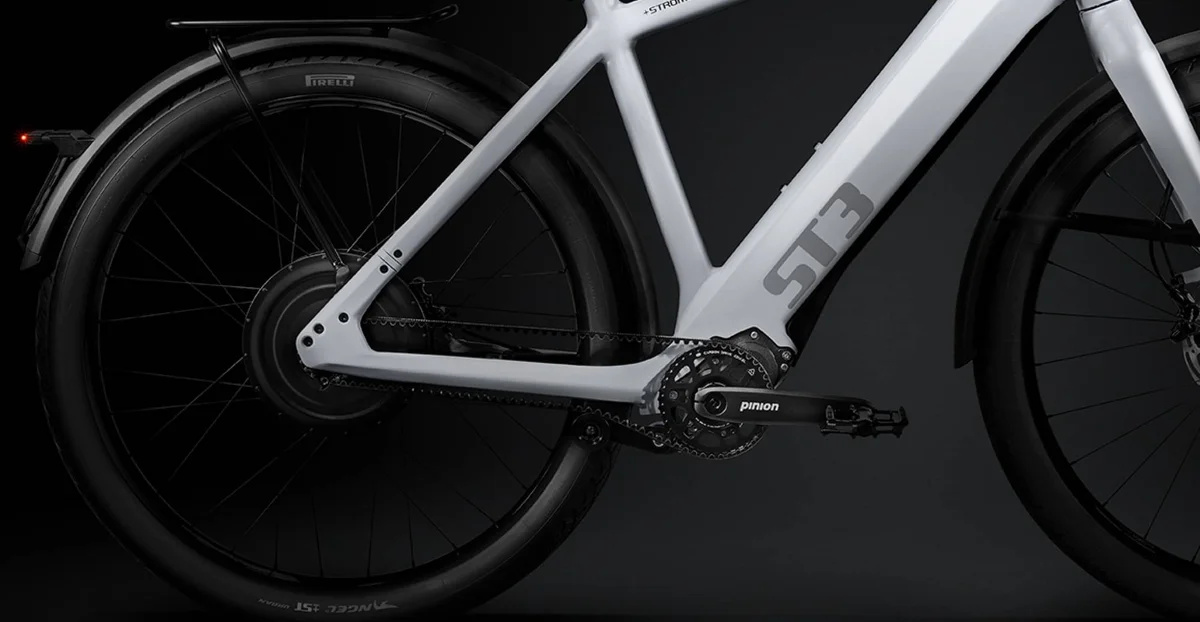
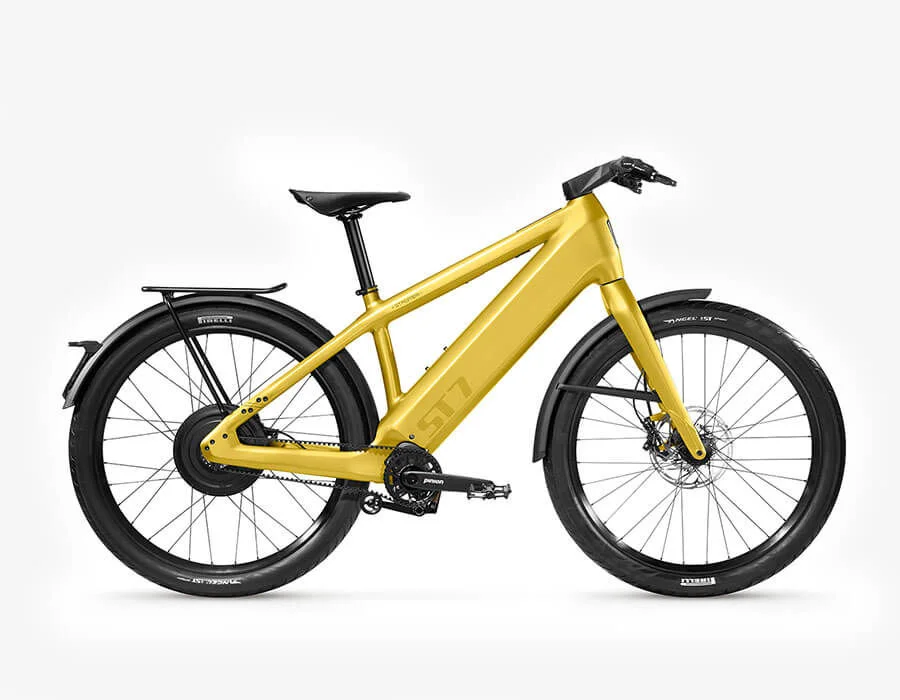
Above $3,000, you are paying for a brand-name mid-drive system (Bosch, Shimano, Specialized SL, TQ), a better frame, and often integration like a bolted-on rack and wiring. The Trek Verve+ 3 Lowstep ($2,899) and Giant Explore E+ 1 Pro GTS ($3,100) are typical. Above $6,000 you are in speed pedelec territory (the Stromer ST3 Pinion at $7,000 and ST7 at $12,000) or performance eMTB (Specialized and Trek carbon models at $7,000 to $9,900), and the gap between those bikes and a $2,500 commuter is less about how fast they move and more about how much of your weekly life they can replace. These are the bikes we rank for pro specialists.
Which safety details are easy to overlook?
Battery certification is the single most important safety spec. UL 2849 is the standard that evaluates the battery, motor, controller, and charger as a system, not just the cells in isolation. It directly targets the thermal-runaway failures that caused a wave of apartment fires in major cities. New York City now requires UL 2849 compliance for any e-bike sold, rented, or leased within its jurisdiction, and other cities are moving in the same direction. If you cannot find UL 2849 (or EN 15194 for European imports) listed on the bike's spec sheet, assume it is not certified.
Brakes are the other place not to save money. Hydraulic disc brakes are now standard on bikes over about $1,500 and are a meaningful safety upgrade over mechanical disc brakes at e-bike weights and speeds. The Lectric XP 3.0, XP Lite, and XPress all ship with mechanical disc brakes; the Pace 500.3, Level.2, Verve+ 3 Lowstep, and anything at the Trek, Specialized, Cannondale, Giant, or Stromer level include hydraulics. On a 60 lb bike moving at 28 mph in rain, the difference matters on your first panic stop.
Finally, look at what comes standard rather than what the brand will sell you later. Integrated front and rear lights powered by the main battery, full-length fenders, and a rear rack change a bike from a toy into transport. The Aventon Pace 500.3, Level.2, Trek Verve+ 3 Lowstep, and Trek FX+ 2 all include these out of the box; the Specialized and Trek eMTBs do not, because they are not meant to. Match the bike's included kit to the job you are hiring it for.
The short version
Pick the bike that fits the ride you actually plan to do, in that order: use case, then motor position, then sensor type, then class. For a flat city commute under 10 miles, a Class 2 hub-motor bike around $1,500 to $2,000 is enough, and a torque sensor is the upgrade worth paying for. For hills, long days, or anything you want to feel like a bicycle rather than a scooter, pay up for a mid-drive with 65 to 85 Nm of torque and a battery in the 500 to 750 Wh range. If you need trail access, read your state's class rules first; if you need to lift the bike regularly, read the weight spec first. Everything else (color, display, app) is noise next to these.
See Best Electric Bike 2026Questions people ask
What should I look for when buying an electric bike?+
In order: how you'll use it, motor position (hub or mid-drive), sensor type (torque or cadence), e-bike class, torque in Nm, battery in Wh, total weight, brake type, and battery certification (UL 2849). Headline wattage and top speed are the least informative specs on the sheet.
Hub motor or mid-drive for a first e-bike?+
If your rides are mostly flat and under 10 miles and your budget is under $2,000, a hub motor is simpler, cheaper, and easy for most bike shops to service. If you ride hills, want a more natural feel, or plan to carry cargo, pay the $500 to $1,000 premium for a mid-drive from Bosch, Shimano, Specialized, or TQ.
Is a torque sensor really worth the extra money?+
For a daily-use bike, yes. The ride feels like a bike with a strong tailwind rather than a scooter that switches on at the pedal. The upcharge is often only $200, as with the Aventon Pace 500.3 (cadence) to Level.2 (torque) step up. If you plan to ride throttle-heavy and barely pedal, cadence is fine.
What is the difference between Class 1, 2, and 3 e-bikes?+
Class 1 is pedal-assist to 20 mph. Class 2 adds a throttle, still capped at 20 mph. Class 3 is pedal-assist to 28 mph, usually restricted to roads and bike-only lanes rather than paths. Class 3 also typically requires riders to be 16 or older and to wear a helmet.
How much should I spend on my first e-bike?+
Most first-time buyers are best served between $1,500 and $2,500. That range gets you a torque sensor, hydraulic brakes, integrated lights, and brand service. Under $1,000 is possible (the Lectric XP 3.0 is the standout) but involves real compromises. Above $3,000 is justified by mid-drive systems, hills, long rides, or eMTB use.
Does wattage matter on an electric bike?+
Less than most buyers think. Motor torque in newton meters is what tells you how the bike pulls away from a stop and up a hill. A 250W mid-drive at 85 Nm will out-climb a 500W hub at 55 Nm. Treat isolated wattage figures as marketing, not performance data.
How far will an e-bike actually go on one charge?+
Roughly 60 to 70 percent of the advertised range for an average rider on mixed terrain in mid assist. A 500 Wh battery realistically covers 35 to 60 miles. Published figures assume the lowest assist level, a light rider, flat ground, and warm weather, which few people's commute matches.
Why does UL 2849 certification matter?+
It is the system-level battery safety standard that tests the battery, motor, controller, and charger together, targeting the thermal-runaway failures behind most e-bike fires. New York City now requires it for every e-bike sold, rented, or leased in the city, and if a brand will not list it on the spec sheet, assume the bike is not certified.
Sources
What this guide is based on. We research from published specifications, independent reviews and owner reports; we did not test these products ourselves.
- 1.Hub Motor vs. Mid-Drive E-Bike Motor Comparison, Upway
- 2.eBike Motor Guide: Hub vs Mid-Drive, Red Tail eBikes
- 3.Torque Sensor vs Cadence Sensor on Ebikes, Aventon
- 4.22 States Now Follow the Three Class E-bike System, PeopleForBikes
- 5.Ebike Classes 1, 2, and 3: How Do They Differ?, Aventon
- 6.What You Need to Know About E-Bike Battery Safety, Tern Bicycles
- 7.Real E-Bike Range vs. Advertised Range: What Our Tests Show, ebikes.org
Products mentioned
More on electric bikes
Explainer
E-Bike Classes 1, 2, and 3: What They Mean for Where You Can Actually Ride
What Class 1, 2, and 3 mean in state and federal e-bike law, which paths, trails, and streets each one can use, and how to pick the right class for your commute.
Explainer
Why Motor Wattage Is a Marketing Number, Not a Performance Spec
There is no industry standard for how e-bike watts are measured. Here is why Newton-metres of torque and motor position are the specs that actually predict climbing and acceleration.
Explainer
Why Your E-Bike Won't Go as Far as the Box Says, and How to Estimate Real Range
Advertised e-bike range is a lab ceiling, not a forecast. Here is how watt-hours work, the formula for a realistic number, and what quietly eats the rest.