Explainer
E-Bike Classes 1, 2, and 3: What They Mean for Where You Can Actually Ride
What Class 1, 2, and 3 mean in state and federal e-bike law, which paths, trails, and streets each one can use, and how to pick the right class for your commute.
Updated November 6, 2026 · Based on 14 sources · How we research
The Class 1, Class 2, and Class 3 stickers on almost every e-bike sold in the US look like a quality or speed ladder: higher number, nicer bike. That is not what they are. The class is a legal access designation. It tells trail managers, path authorities, and police which paths, singletrack, bike lanes, and streets you can legally use, and it varies by state and even by city. A bike that is perfect in Colorado can be shut out of the bike path at the end of your block in Massachusetts. This guide walks through what each class means under federal and state law in 2026, where you can ride each one, and which fits which rider. If you only skim one section, make it the one on trails and paths, because that is where most buyers get caught out.
What Class 1, Class 2, and Class 3 actually mean
The three-class system comes from a model bill that PeopleForBikes helped promote starting in 2015, and roughly 43 states have adopted some version of it by 2026 (PeopleForBikes, ebikelocal). The classes sort e-bikes by two things only: whether a throttle is allowed, and the speed at which motor assistance must cut off. They say nothing about motor quality, battery size, build, or price.
Class 1 is pedal-assist only, with motor help ending at 20 mph. Class 2 adds a throttle that can propel the bike without pedaling, but the motor still has to stop assisting at 20 mph. Class 3 is pedal-assist with the assist cutoff raised to 28 mph; most states that follow the PeopleForBikes language verbatim prohibit a throttle on Class 3, but a few allow a throttle capped at 20 mph. New York is an outlier: its Class 3 permits throttle or pedal-assist up to 25 mph, legal only in cities over one million people, which in practice means New York City (Ebike Oracle New York).
Separately, federal law defines a "low-speed electric bicycle" under 15 U.S.C. §2085 as a two- or three-wheeled vehicle with operable pedals, a motor under 750 watts, and a motor-only top speed under 20 mph. That definition decides whether the Consumer Product Safety Commission treats the bike as a consumer product rather than a motor vehicle. It does not set classes, and it does not override state road rules (Congressional Research Service IF12459).
| Class | Throttle allowed? | Motor assist cuts at | Where you can usually ride |
|---|---|---|---|
| Class 1 | No | 20 mph | Streets, bike lanes, most paved multi-use paths, many natural-surface trails |
| Class 2 | Yes | 20 mph | Streets and bike lanes; often restricted on paths and natural-surface trails |
| Class 3 | Usually no (varies by state) | 28 mph | Streets and bike lanes in most states; typically banned from paths and trails |
Can I ride my e-bike on a bike path?
The short version: Class 1 almost always, Class 2 sometimes, Class 3 rarely by default. California used to ban Class 3 from paved bike paths; AB 1909, effective January 1, 2023, removed that statewide carve-out, so all three classes are now permitted on Class I separated bike paths by default unless a local jurisdiction specifically bans them (bicyclelaw.com).
Other states draw the line differently. In Arkansas, state parks ban Class 2 and Class 3 from mountain bike trails and paved and unpaved multi-use trails; only Class 1 may ride them, though all three classes are allowed on park roads. Rhode Island adopted the three-class framework in 2024 and permits only Class 1 on state-managed bike paths like the East Bay Bike Path and Blackstone Bikeway; Class 2 and Class 3 are restricted to roads and bike lanes. In New York City, a rule effective October 24, 2025 capped all e-bikes, regardless of class, at 15 mph on streets, bike lanes, and park paths (Ebike Oracle NYC). Massachusetts goes further: its three-class statute only recognizes Class 1 and Class 2, so a 28 mph e-bike bought in-state falls under the "motorized bicycle" regime and needs a plate and driver's license endorsement.
Posted signage at a path entry is the rule that matters, not the sticker on the bike. A rider with an Aventon Level.2 set to Class 2 (20 mph throttle) will be accepted on paths where the same bike unlocked to Class 3 (28 mph pedal-assist) would not.
Can I ride on singletrack or in national parks?
On National Park Service lands, the 2020 federal rule (85 Fed. Reg. 69175) allows a superintendent to permit e-bikes on any route where traditional bicycles are allowed, but requires a written determination and lets the superintendent restrict by class (Federal Register 2020-22129, National Parks Traveler). Many parks open roads and wide multi-use paths to all three classes while limiting singletrack to Class 1 only. A few close singletrack to e-bikes entirely. Before you ride, open the superintendent's compendium for the specific park.
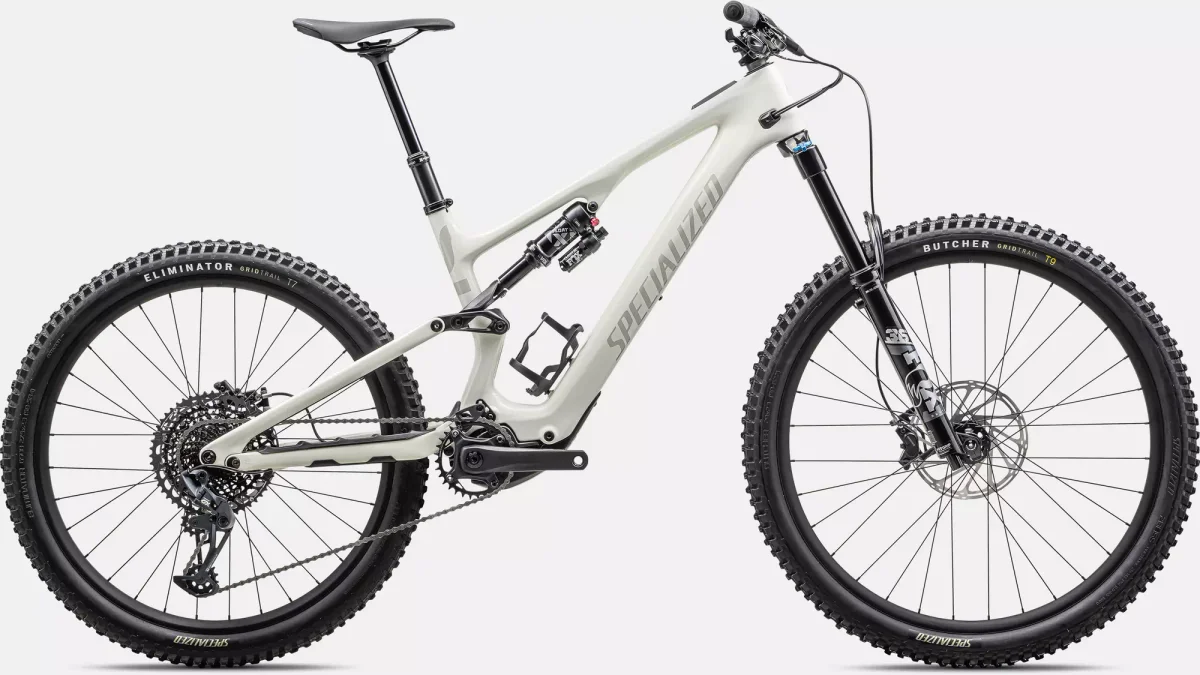
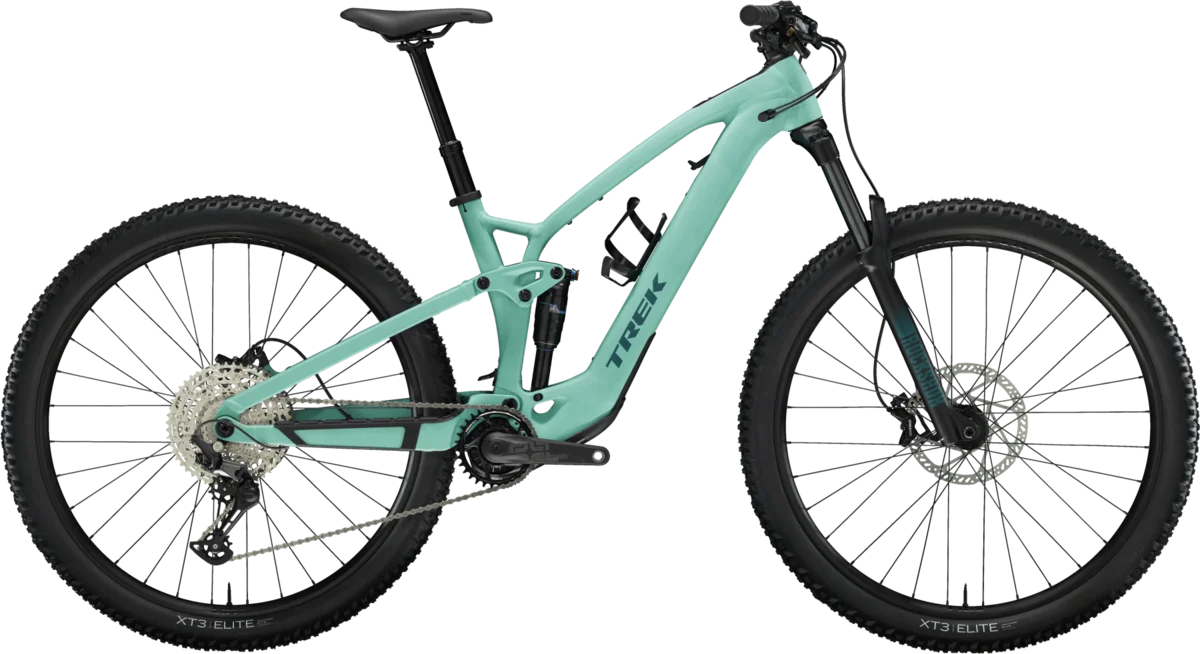
The International Mountain Bicycling Association's current position supports Class 1 eMTB access on non-motorized trails when the decision runs through a public, community process (IMBA eMTB). IMBA does not support throttle-equipped Class 2 bikes or 28 mph Class 3 bikes on natural-surface trails. That stance shapes a lot of local trail policy, and it is one reason the Specialized Turbo Levo SL Comp Carbon, Specialized Turbo Kenevo SL, and Trek Fuel EXe 9.5 are built as Class 1 pedal-assist at 20 mph: their maker is designing for where they are allowed to ride.
Bureau of Land Management and US Forest Service rules differ again. The USFS still manages e-bikes as motorized vehicles under its travel management rule unless a forest supervisor specifically opens a non-motorized trail to e-bikes, so a Class 1 label does not automatically grant access to non-motorized USFS singletrack. BLM has moved closer to the NPS model, allowing e-bikes where mechanized bikes are allowed, often with class-specific limits.
Throttle versus pedal-assist, and why it matters for access
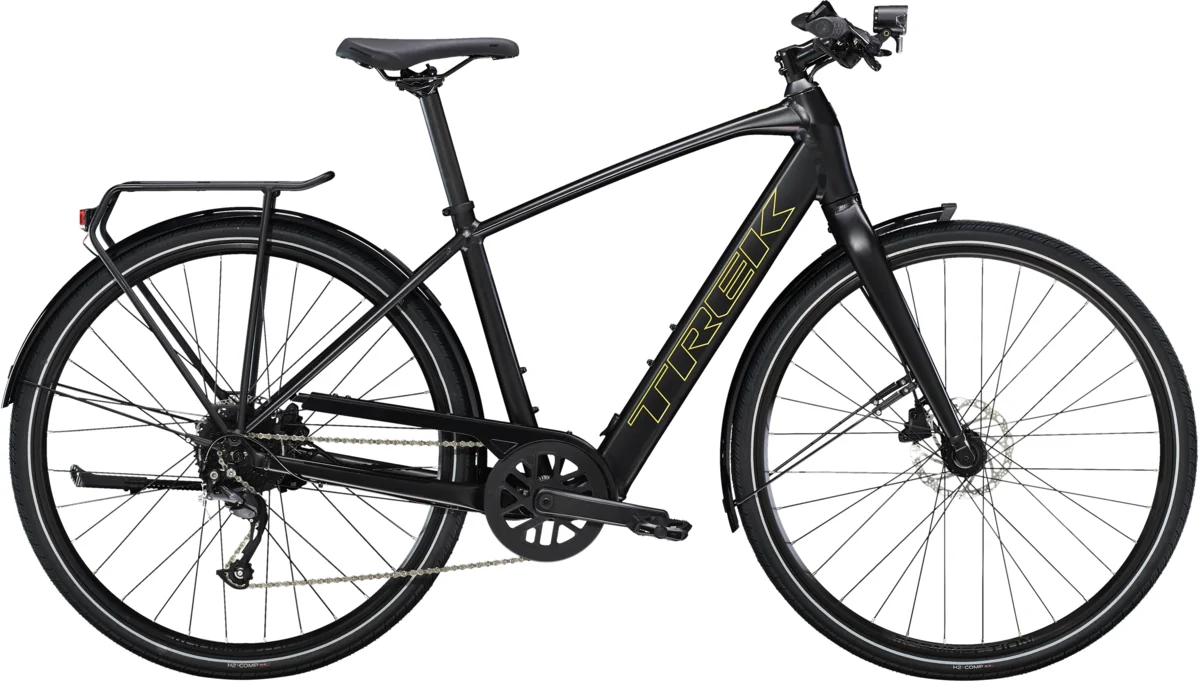
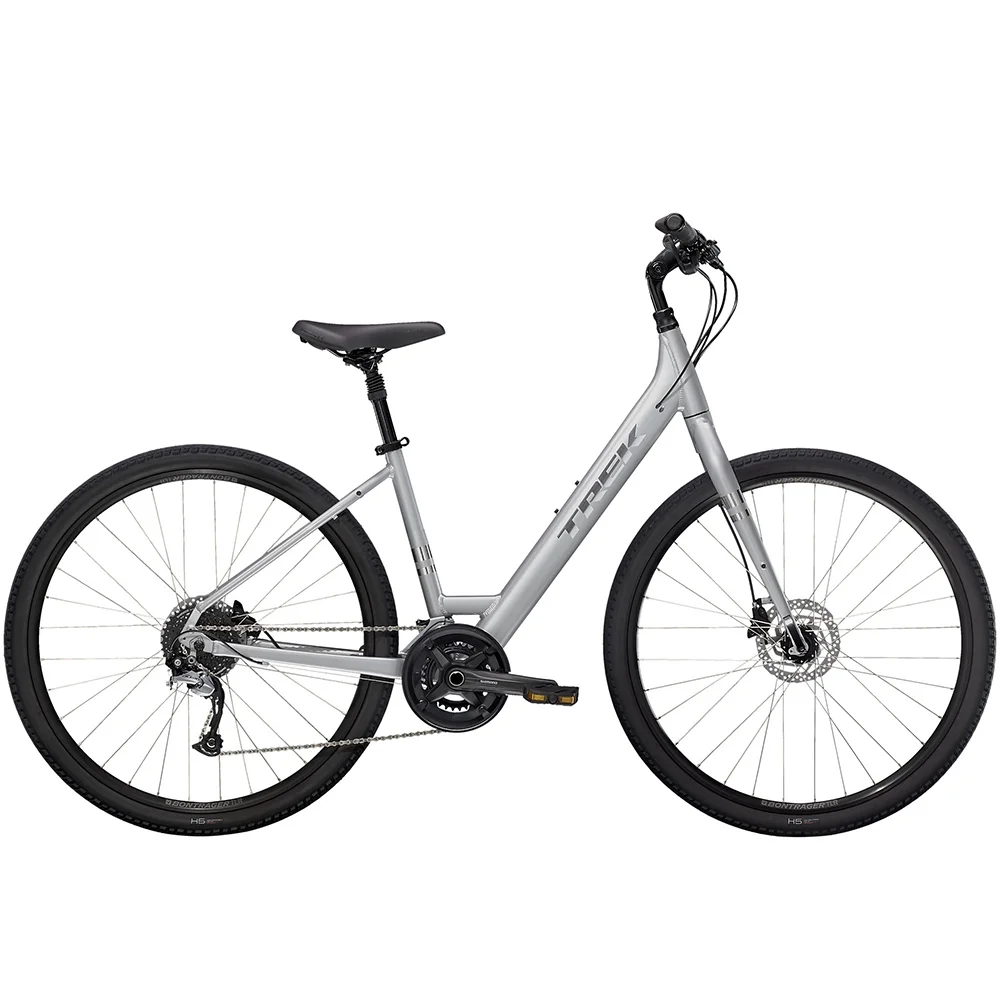
Pedal-assist means the motor only runs when you are pedaling. Cadence sensors trigger power whenever the crank turns; torque sensors read how hard you are pedaling and scale power to effort. The Trek FX+ 2, Aventon Level.2, Trek Verve+ 3 Lowstep, and Cannondale Quick Neo SL 2 all use torque sensors, which gives a riding feel closer to an acoustic bike. The [Aventon Pace 500.3](/items/aventon-pace-500.3-2024) uses a cadence sensor plus a thumb throttle; the ride feel is less proportional but the throttle rescue is easier for new riders.
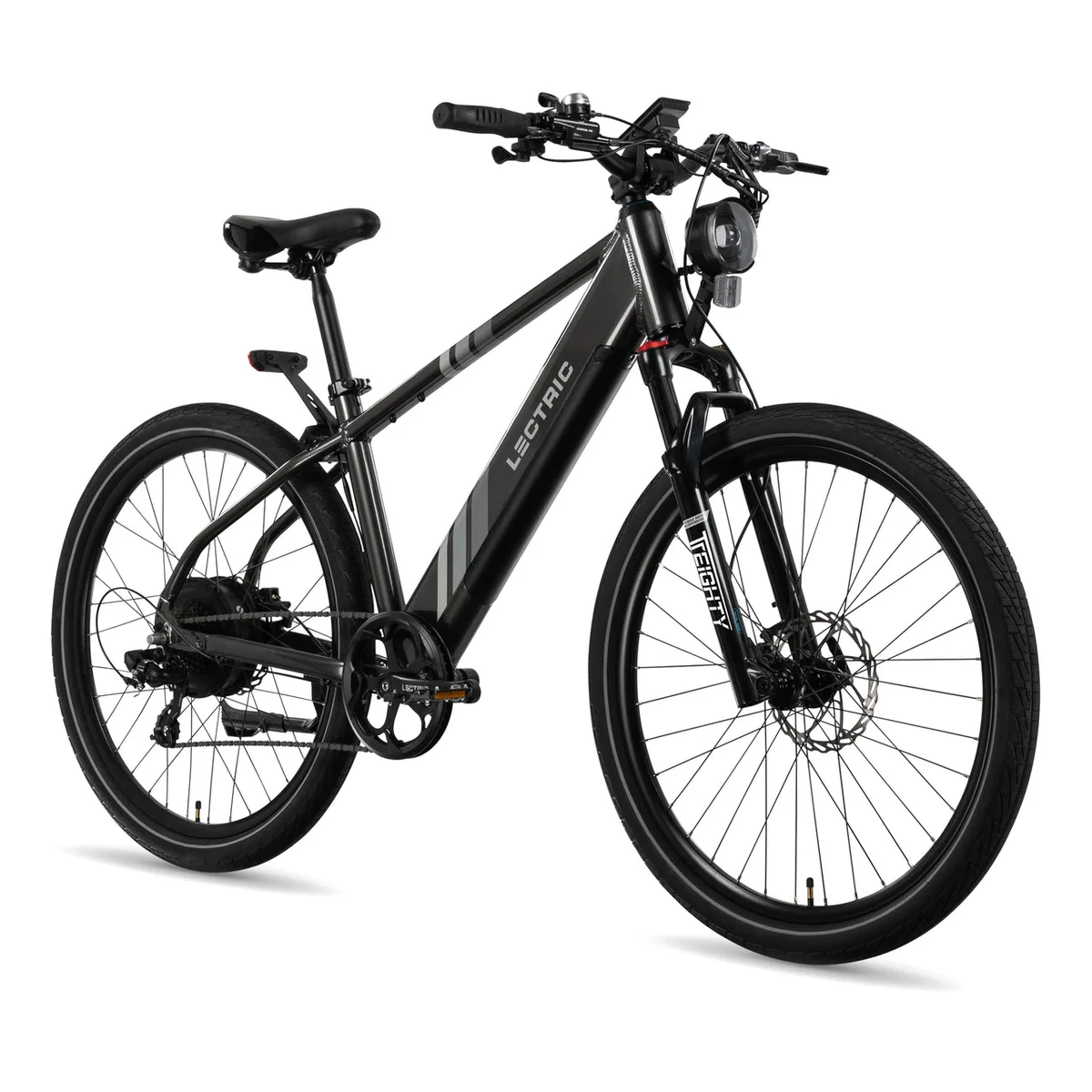
A throttle runs the motor on command whether or not you are pedaling. Class 2 bikes like the Lectric XPress, Lectric XP Lite, and [Lectric XP 3.0](/items/lectric-xp-3.0-2024) all ship with throttles. The throttle is what trail and path managers notice: it changes the speed profile from a biker on a slow warm-up to a constant 20 mph with no pedaling cue, which changes braking distance, cornering force, and conflict rate with hikers. That is why many state park systems write their e-bike rules around throttles rather than wattage.
Class 3 is pedal-assist only in most state statutes, but the top speed is what gets Class 3 banned from most paths, not the control method. A pedal-assist 28 mph e-bike is still a 28 mph e-bike when a jogger is in the lane.
Do I need a license, insurance, or a helmet?
For a bike that fits a state's three-class statute, most states require no license, no registration, and no insurance for Class 1, 2, or 3 (redtailebikes state table, ebikeoracle). The important exceptions: New Jersey rewrote its law effective July 19, 2026, abandoning the Class 1-2-3 framework; all e-bikes there now require a license and registration, and throttle-capable or above-20 mph models also require liability insurance (Ebike Oracle New Jersey). Hawaii charges a one-time $30 registration for every e-bike under Act 259 (Ebike Oracle Hawaii). Massachusetts does not recognize Class 3 at all; buy a 28 mph bike in Massachusetts and it falls under the state's motorized bicycle rules, which require a Class M license and registration.
Helmets vary by class. California requires a helmet for every Class 3 rider regardless of age under CVC §21213, which is stricter than the under-18 helmet rule that applies to Class 1 and 2. New York requires helmets for Class 3 riders aged 16 and over, and bars anyone under 16 from operating a Class 3 at all. Most other states with the three-class statute require helmets for all riders under 16 or under 18 on any class, and layer on an all-ages helmet rule for Class 3.
Minimum age is usually 16 to operate a Class 3; younger riders can almost always ride Class 1 and 2 as passengers on a properly rated seat. The Lectric eBikes XPedition is rated for two passengers up to 450 lb total payload, which is unusual at its price.
Which class should you buy for commuting?
Match class to the route, not the spec sheet. For a commute that mixes paved bike paths with campus or neighborhood roads at distances under 15 miles, Class 1 is the right default because it has the widest legal access. The Trek FX+ 2 at 39 lb, the Cannondale Quick Neo SL 2 at 34 lb, and the Trek Verve+ 3 Lowstep with its Bosch mid-drive are all Class 1 by design, which is why they fit so many city path networks. Our first-time riders ranking leans heavily on this class for the same reason.
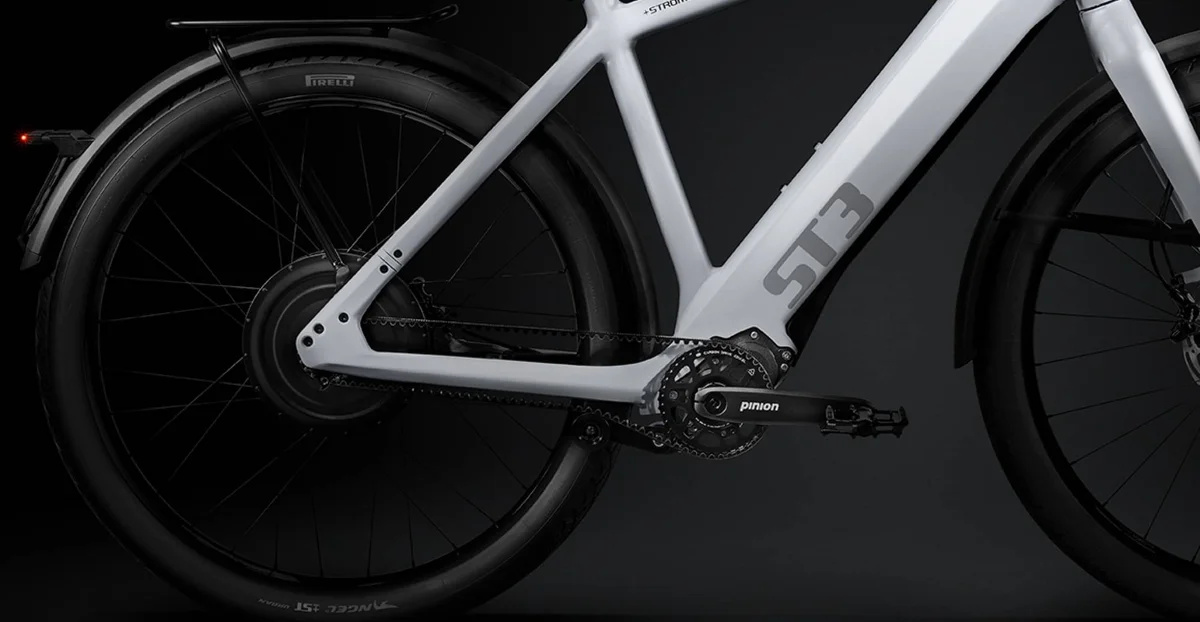
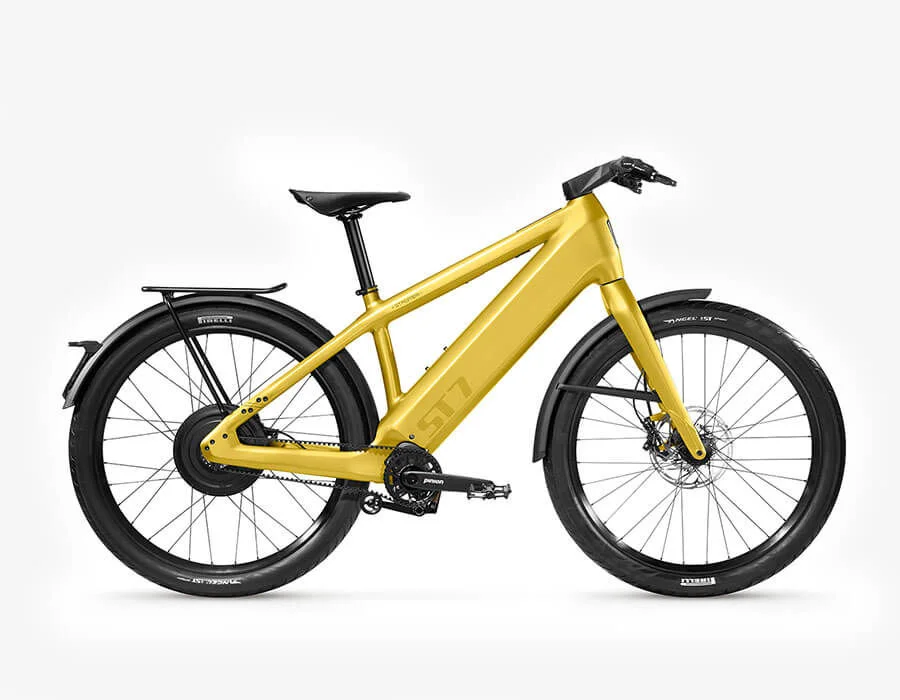
For a 15 to 30 mile street-heavy commute where you need to keep pace with traffic on arterial roads, Class 3 pedal-assist pays off. The [Aventon Pace 500.3](/items/aventon-pace-500.3-2024) and Aventon Level.2 both reach 28 mph; Aventon ships them in Class 2 mode (20 mph throttle) by default and lets the owner unlock Class 3 pedal-assist in the display. At the premium end, the Stromer ST3 Pinion and Stromer ST7 each have a rated 110-mile range and a 28 mph top speed; see our performance pick list. The tradeoff is that you lose path access and pick up helmet and age rules.
For short, flat suburban errands with a rider who does not want to pedal hard, Class 2 is the fit. The Lectric XPress and Lectric XP Lite both ship at 20 mph with a throttle at $999; see the budget ranking. If portability matters more than speed, the travel-focused models in our travel-friendly ranking are mostly Class 2 at 20 mph.
The class label on the box can be misleading
There are three traps worth knowing before you pay. First, many bikes ship as one class but unlock to another via the display. Aventon's 28 mph models ship in Class 2 configuration and let the owner enable 28 mph pedal-assist. The moment you unlock, your legal status changes: a path that accepted the bike yesterday may not accept it today, even though nothing visible on the bike changed. Lectric offers similar unlock paths on its 500W and 750W models.
Second, motor power can exceed the federal low-speed electric bicycle threshold even when the bike is marketed as Class 3. The Stromer ST7 is spec'd at 1000W and the Stromer ST3 Pinion at 820W, both above the 750W cap in 15 U.S.C. §2085. In states that incorporate the federal definition into their own e-bike statute, a bike above 750W can fall outside the Class 1-2-3 regime entirely and be classified as a moped or motor-driven cycle. That turns a bike-path-adjacent commuter into something that needs a plate, a license, and insurance in parts of the country.
Third, the class definitions themselves are not identical across states. New York's Class 3 permits a throttle to 25 mph and is only legal in NYC. Massachusetts has no Class 3. A Lectric XP 3.0 that is a legal Class 2 in Arizona (throttled to 20 mph) is still a legal Class 2 in Massachusetts, but attempting to unlock it to 28 mph puts you into a regulatory category that does not exist there. The lesson: read your state's statute and your local park's rules before you buy, not after.
The short version
Buy the lowest class that covers your route. For path-heavy, short-distance commuting and the widest legal access, go Class 1: the Trek FX+ 2, Cannondale Quick Neo SL 2, or Trek Verve+ 3 Lowstep. For long street commutes where you need to match 25 to 30 mph traffic, accept the restrictions and go Class 3: the Aventon Pace 500.3, Aventon Level.2, or Stromer ST3 Pinion. For casual throttle use on flat suburban errands, Class 2 like the Lectric XPress or XP Lite is the fit. Before you pay, check your state statute and the posted rules at the paths and parks you actually use. The class on the invoice sets the floor; your local trail manager sets the ceiling.
See Best Electric Bike 2026Questions people ask
What is a Class 1, 2, or 3 electric bike?+
Class 1 is pedal-assist only with motor help ending at 20 mph. Class 2 adds a throttle that works without pedaling, but still cuts at 20 mph. Class 3 is pedal-assist (sometimes with a 20 mph throttle in states that allow it) with assist to 28 mph. Roughly 43 states use this model, with variations. New York's Class 3 permits throttle or pedal-assist up to 25 mph and is legal only in NYC.
Can I ride my e-bike on a bike path or trail?+
Class 1 is usually permitted anywhere a regular bicycle is allowed, including paved multi-use paths and many natural-surface trails. Class 2 is often banned from natural-surface trails and sometimes from shared paths because of the throttle. Class 3 is typically barred from bike paths unless a local jurisdiction specifically opens them, and in many states it is restricted to roads and bike lanes. Check the posted signage at the path or park, which overrides general state defaults.
Do I need a license or registration for an electric bike?+
In most states, no license, registration, or insurance is required for Class 1, 2, or 3. The exceptions are New Jersey (as of July 2026, all e-bikes require a license and registration; throttle-capable and above-20 mph models also require insurance), Hawaii ($30 one-time registration for every e-bike under Act 259), and Massachusetts (Class 3 isn't recognized, so a 28 mph bike falls under motorized-bicycle rules and needs a plate and Class M license). A few states require registration for bikes that exceed the federal 750W/20 mph low-speed electric bicycle definition.
What is the difference between a throttle and a pedal-assist e-bike?+
Pedal-assist runs the motor only while you pedal. Cadence sensors trigger power when the crank turns; torque sensors measure how hard you push and scale power to effort. A throttle runs the motor on command, by thumb lever or twist grip, with no pedaling needed. Class 1 is pedal-assist only. Class 2 adds a throttle. Class 3 is pedal-assist in most states, though a few permit a throttle capped at 20 mph.
Are electric bikes allowed in national parks or on bike paths?+
Under the 2020 NPS rule, e-bikes are permitted wherever traditional bicycles are, but each park's superintendent can restrict by class. Many parks open roads and multi-use paths to all three classes while limiting singletrack to Class 1 only. The US Forest Service still treats e-bikes as motorized unless a forest supervisor explicitly opens a non-motorized trail. For state and city bike paths, Class 1 is the most widely accepted; Class 3 is usually barred by default.
Which e-bike class should I buy for commuting?+
Class 1 for path-heavy commutes under 15 miles because it has the broadest legal access (Trek FX+ 2, Cannondale Quick Neo SL 2, Trek Verve+ 3 Lowstep). Class 3 for 15 to 30 mile street-heavy routes where you need to keep up with traffic (Aventon Pace 500.3, Aventon Level.2, Stromer ST3 Pinion), accepting the loss of path access and the helmet and age rules. Class 2 fits casual flat commutes where a throttle rescue matters (Lectric XPress, Lectric XP Lite).
Sources
What this guide is based on. We research from published specifications, independent reviews and owner reports; we did not test these products ourselves.
- 1.15 U.S.C. §2085, Low-speed electric bicycles, Legal Information Institute, Cornell Law School
- 2.General Provisions; Electric Bicycles (NPS Final Rule, 85 Fed. Reg. 69175), Federal Register
- 3.Electric Bicycles (E-Bikes) on Federal Lands, Congressional Research Service
- 4.National Park Service Gives Park Superintendents Authority To Ban E-Bikes, National Parks Traveler
- 5.eMTB Information, International Mountain Bicycling Association
- 6.Electric Bikes, PeopleForBikes
- 7.California E-Bike Laws: Class Rules, Helmets, and Where E-Bikes Can Ride, Bicycle Law
- 8.eBike Laws by State: The Complete 2026 Guide, eBikeLocal
- 9.New York E-Bike Laws 2026: Class 3 Is NYC-Only, Ebike Oracle
- 10.NYC E-Bike Laws 2026: The 15 mph Speed Cap, Ebike Oracle
- 11.Electric Bike Laws by State 2026: All 50, One Table, Redtail Ebikes
- 12.Electric Bike Laws by State (2026): 50 States + DC, Ebike Oracle
- 13.New Jersey E-Bike Laws 2026: Registration Rules, Ebike Oracle
- 14.Hawaii E-Bike Laws 2026: $30 Registration, Act 259, Ebike Oracle
Products mentioned
More on electric bikes
Explainer
Why Motor Wattage Is a Marketing Number, Not a Performance Spec
There is no industry standard for how e-bike watts are measured. Here is why Newton-metres of torque and motor position are the specs that actually predict climbing and acceleration.
Explainer
Why Your E-Bike Won't Go as Far as the Box Says, and How to Estimate Real Range
Advertised e-bike range is a lab ceiling, not a forecast. Here is how watt-hours work, the formula for a realistic number, and what quietly eats the rest.
Buying guide
How to Choose an Electric Bike: The Decisions That Actually Matter
A first-time buyer's guide to picking an e-bike by motor position, sensor type, class, and use case, not by wattage or top speed.