Explainer
Why Motor Wattage Is a Marketing Number, Not a Performance Spec
There is no industry standard for how e-bike watts are measured. Here is why Newton-metres of torque and motor position are the specs that actually predict climbing and acceleration.
Updated November 6, 2026 · Based on 12 sources · How we research
If you are choosing between a 500W e-bike and a 750W e-bike, the honest answer is that those numbers alone cannot tell you which one will climb a hill better, start faster from a stop, or feel more natural under your legs. There is no federal or international standard for how manufacturers measure the watts they print on a label, and the same motor can be listed with very different wattages by different companies, per EVELO and ebikeschool.com. This guide is for buyers who want to stop comparing marketing numbers and start comparing the specs that predict what a motor will do on your terrain: Newton-metres of torque, where the motor sits on the frame, and how it decides when to help you.
A 750W label and a 500W label can describe the same motor
Motor power in watts is simple arithmetic: volts multiplied by amps. ebikeschool.com spells this out plainly: "An ebike with a 48V battery and a 20 amp peak controller would theoretically be capable of a nominal 960 watts of instantaneous power." The output a rider feels depends on battery voltage, the controller's current limit, rider weight and pedaling input, the grade of the hill, and how long the motor has been under load before heat forces it to back off. None of those variables are standardized across manufacturers, and none are required to appear on the label.
The direct consequence is that a nominally "250W" motor paired with a 20-amp controller can draw over 700 watts at peak, per ebikeschool.com, which is why the same physical motor can appear with very different wattage labels from one brand to the next. EVELO puts it just as plainly: "there's no standard way to rate ebike motor power," and "the same motor could be listed with very different wattages by different companies," all technically defensible depending on how each brand measured it.
Peak and nominal are two different numbers, and only one is honest
When you see two watt figures on an e-bike page, look for the word "rated," "nominal," or "continuous." That is the output the motor can sustain without overheating. The other number, often called "peak" or "max," is a short burst the controller allows for seconds at a time before current limits and thermal cutbacks bring it down, per TST eBike. The same source notes peak "often landing at roughly 1.8 to 2.5 times the continuous rating on a 48V hub-motor system."
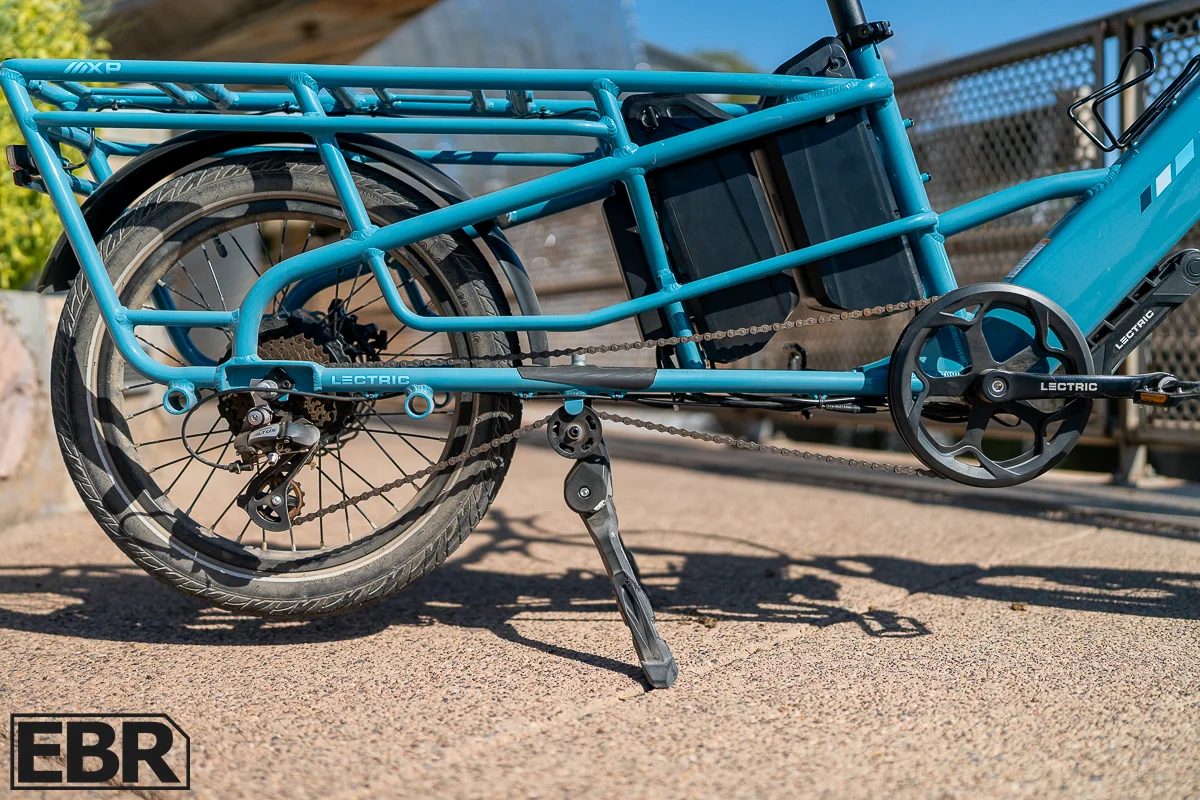
The Lectric XPedition, which our data lists at 750W rated power, peaks at 1,310W for short bursts and uses that headroom to clear hills with a loaded cargo deck, per the Electric Bike Report review. US federal law (15 USC §2085) caps the rated figure at 750W for a bike to qualify as a Class 1, 2 or 3 e-bike, per Himiway, but that cap applies to the nominal rating, not to the short-burst peak. A listing that advertises "1,000W peak, 500W rated" is a 500W bike in regulatory terms. When a brand shows only the peak number, the honest rating is the quieter one they are not advertising.
Newton-metres describe what you actually feel
Torque, measured in Newton-metres (Nm), is rotational force: how hard the motor twists the wheel or the crank. It is what you feel pushing off from a red light, holding a steady pace up a 10 percent grade, or cresting a bridge ramp with a passenger behind you. Upway argues torque tracks real-world acceleration and climbing better than watts do.
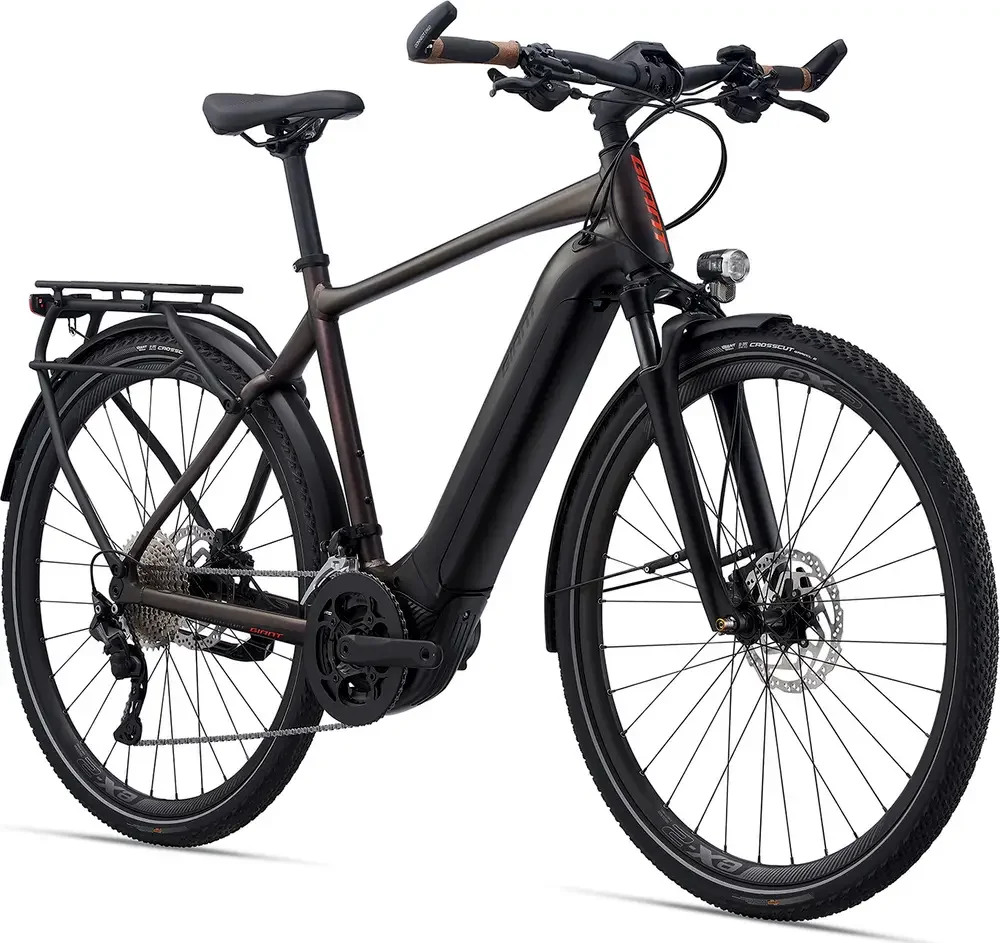
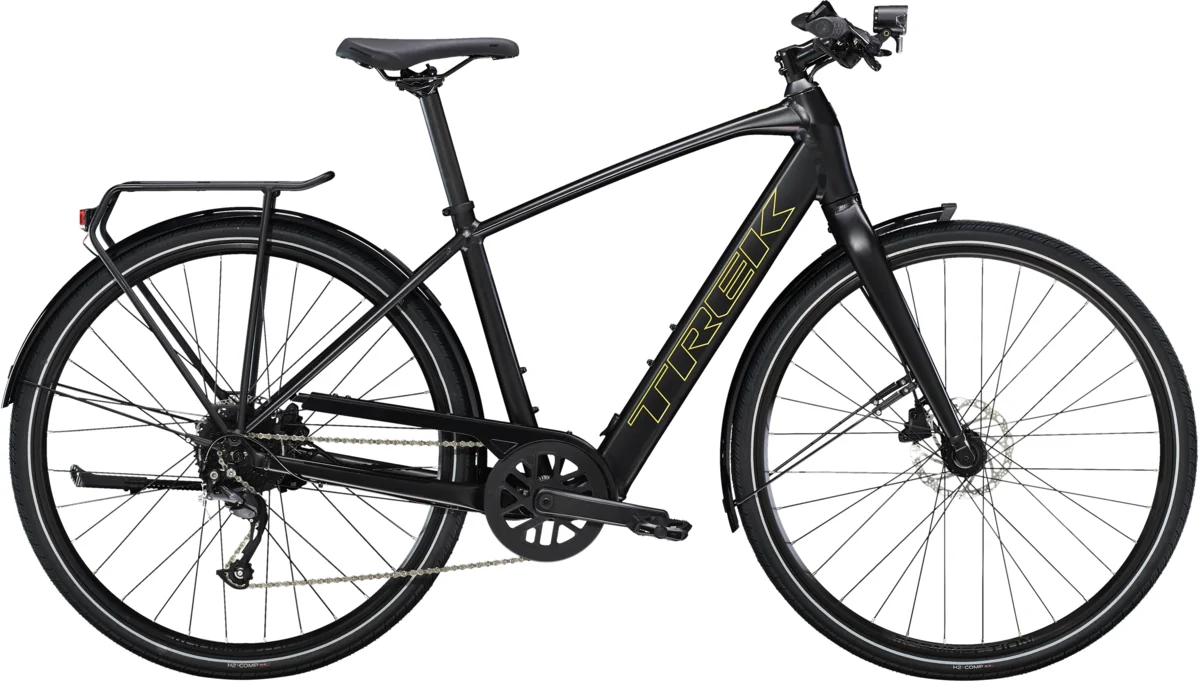
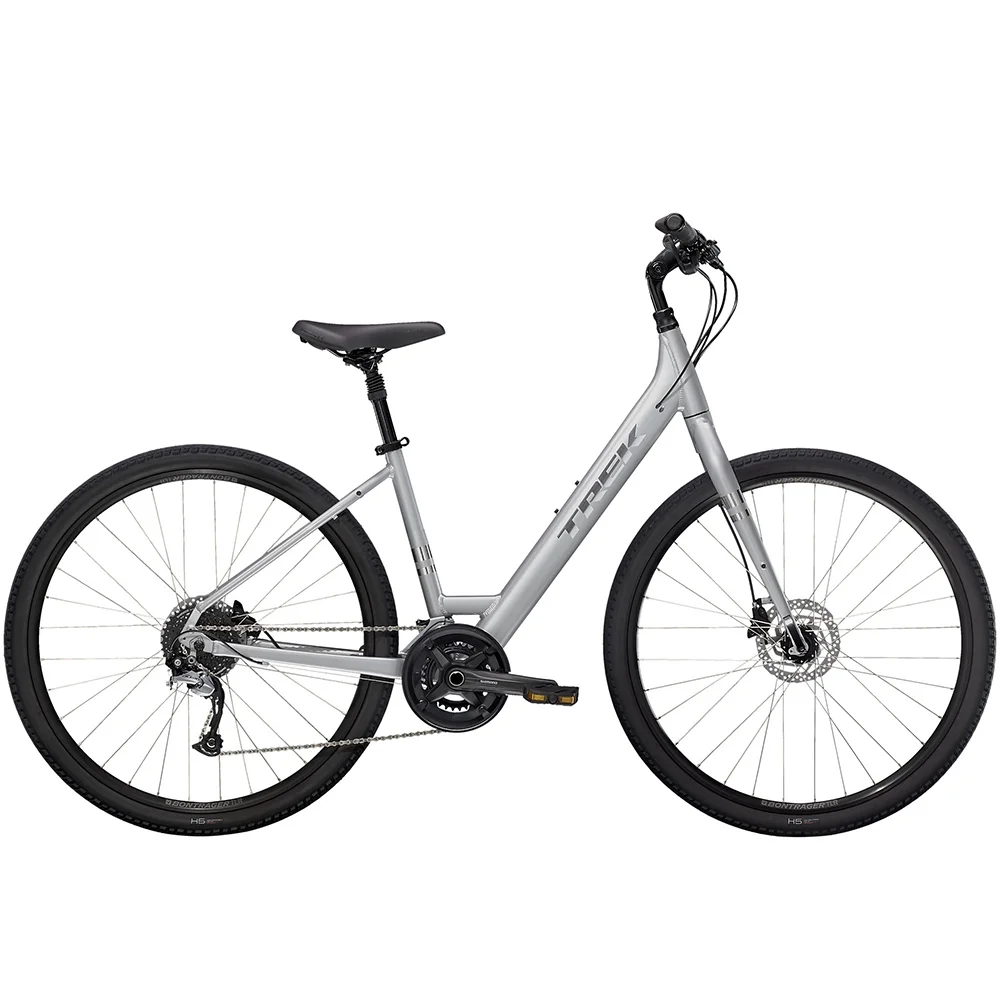
The useful bands sort roughly like this, per Leoguar Bikes: 40 to 60 Nm is sufficient for flat urban riding with mild inclines, 60 to 80 Nm handles rolling hills confidently, and 80 to 120 Nm or more is the range to look for with very steep climbs, heavier riders, cargo, or off-road use. Our catalog makes the contrast concrete. The Trek FX+ 2 carries a HyDrive 250W rear hub at 40 Nm per the manufacturer and the Electric Bike Report review, which reviewers describe as a quiet, readable assist on flats and short hills rather than a hill-eater. The Aventon Level.2 puts down 60 Nm, and the Lectric XPedition reaches 85 Nm, the figure cargo-bike owners rely on when the hill is steep and the rack is full.
Where the motor sits changes what the watts can do
A hub motor lives in the wheel and pushes the wheel directly. A mid-drive sits at the cranks and feeds its power through the bike's chain and cassette, so the gears multiply its torque exactly the way they multiply your pedaling. ebicycles.ai puts a number on it: "At sustained 8-10% grades, a 250W mid-drive (like the Bosch Performance Line CX) delivers up to 85 Nm of torque through the cassette." This is the single biggest reason a lower-wattage bike can out-climb a higher-wattage one on sustained grades.
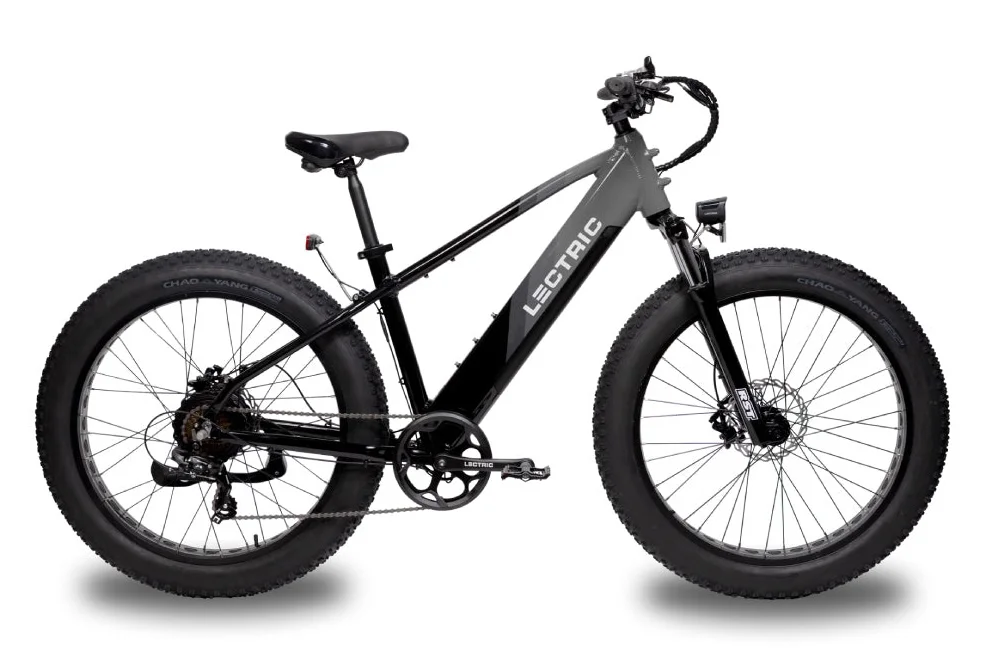
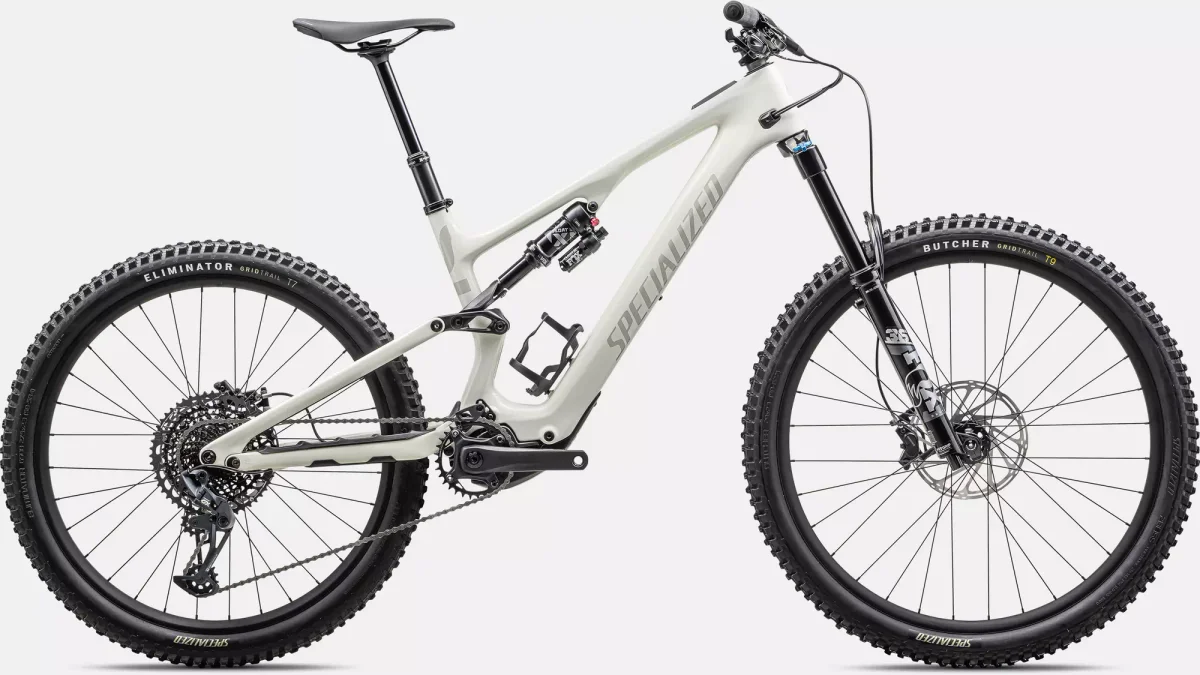
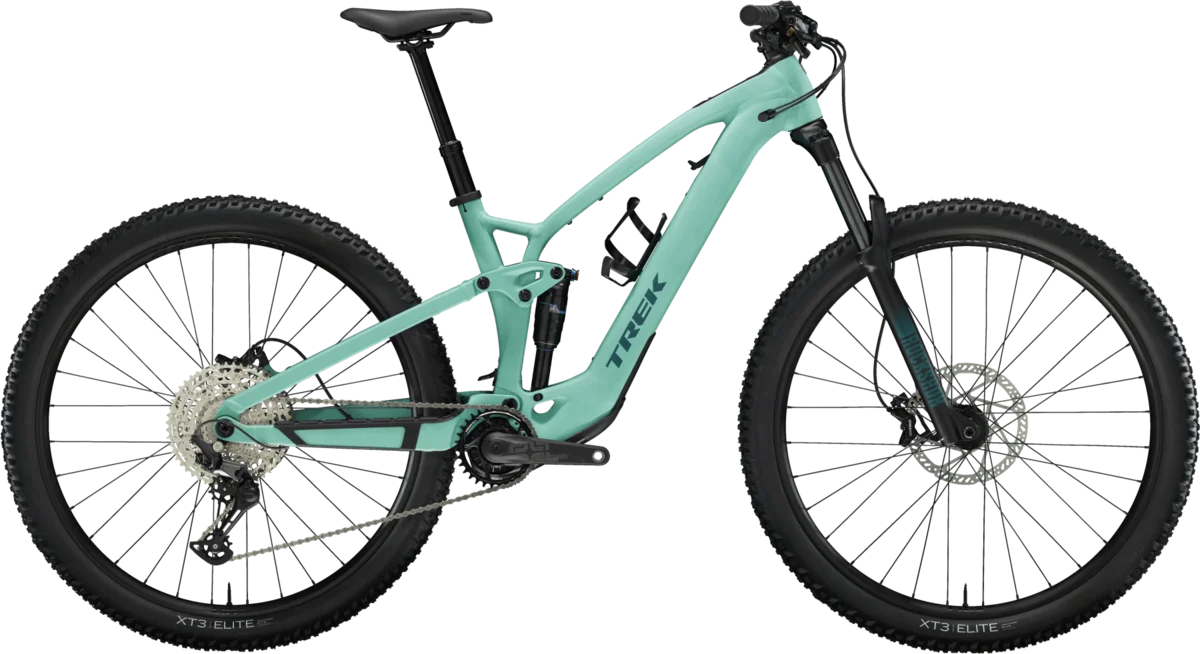
Our rankings bear this out. The Specialized Turbo Levo SL Comp Carbon runs a 240W mid-drive and is built for aggressive singletrack climbs, with The Loam Wolf describing climbing power as smooth and natural even as the trail steepens. The Giant Explore E+ 1 Pro GTS draws 85 Nm from a 250W mid-drive and earns "Excellent" hill climbing in our data, while the [Lectric XP 3.0](/items/lectric-xp-3.0-2024) at 500W hub with 55 Nm earns only "Good." On flats and moderate grades the hub motor is fine and usually lower-maintenance because the drivetrain does not carry the motor's torque. On long, steep climbs, the mid-drive wins at a fraction of the rated watts.
A torque sensor and a cadence sensor feel different at identical watts
The final reason wattage is a poor predictor of ride feel is how the motor decides to engage. A cadence sensor detects whether the pedals are turning and switches the motor on at the preset assist level. A torque sensor measures how hard you are pushing and scales the motor's output proportionally. On Bosch's latest Performance Line CX, an integrated IMU samples incline, cadence, and acceleration "over 1,000 times per second," per Bikes Knowledge, which is what makes the assist feel continuous rather than stepped.
The difference is visible across our own rankings. The [Aventon Pace 500.3](/items/aventon-pace-500.3-2024) and the Aventon Level.2 both carry a 500W rated hub motor at the same 28 mph top speed, but the Pace uses a cadence sensor while the Level.2 uses a torque sensor. The Electric Bike Report review describes the Level.2 torque sensor as "a fundamentally different experience" that gives "a much more natural bike riding feel" where "the bike took my effort and gave me another third of the power I was already producing." Same rated watts, different ride.
Read our rankings across torque, not across watts
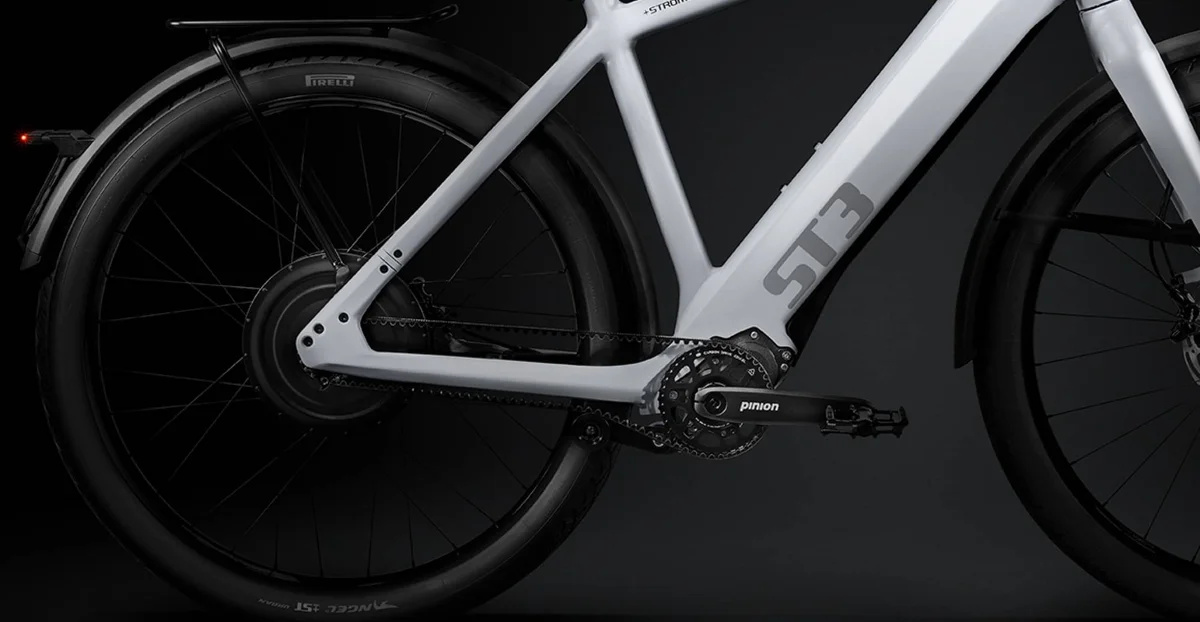
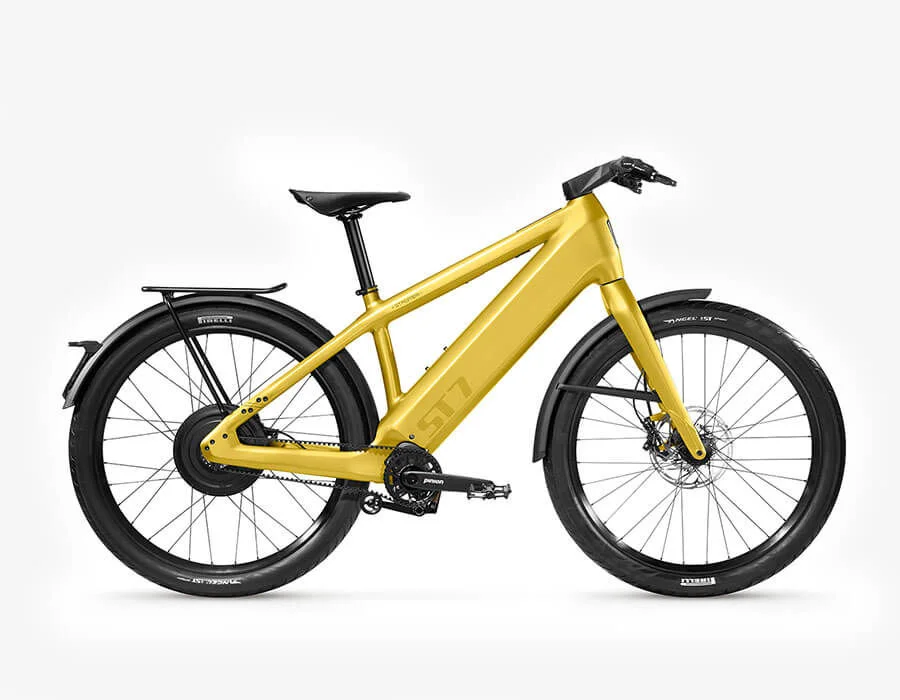
Line up the e-bikes we rank by rated watts and the sort looks arbitrary: 250W Giants and 240W Specializeds climb as well as 750W Lectrics, while a 1,000W Stromer earns the same "Excellent" rating as a 250W mid-drive Giant. Line them up by torque and motor position and the pattern becomes clearer. Most bikes that earn "Excellent" climbing in our data either exceed 80 Nm of torque or use a mid-drive. The exception is a high-wattage hub motor like the 1,000W Stromer ST7 at 52 Nm, where raw rated power substitutes for gear multiplication. Rated wattage, by itself, does not sort them.
| Bike | Rated W | Torque (Nm) | Motor | Sensor | Our climbing rating |
|---|---|---|---|---|---|
| Trek FX+ 2 | 250 | 40 | Hub | Torque | Good |
| Aventon Pace 500.3 | 500 | 50 | Hub | Cadence | Good |
| Aventon Level.2 | 500 | 60 | Hub | Torque | Good |
| Lectric XP 3.0 | 500 | 55 | Hub | Cadence | Good |
| Giant Explore E+ 1 Pro GTS | 250 | 85 | Mid-drive | Torque | Excellent |
| Specialized Turbo Levo SL Comp Carbon | 240 | 50 | Mid-drive | Torque | Excellent |
| Lectric XPedition | 750 | 85 | Hub | Cadence | Excellent |
| Stromer ST7 | 1000 | 52 | Hub | Torque | Excellent |
Four questions that replace "how many watts?"
If you want to compare two e-bikes on a shop floor or in two browser tabs, these four specs replace the watt number with something that describes what you will feel. Ask the shop or the spec sheet to answer each of them before you ask about peak power.
- Torque in Nm. Match it to your terrain: 40 to 60 for flat cities, 60 to 80 for rolling hills, 80 to 120 or more for cargo, heavy riders, or steep climbs.
- Motor position. Mid-drive for sustained climbs and off-road; hub for flat commutes, simpler maintenance, and throttle-only riding.
- Sensor type. Torque sensor for a natural, proportional assist; cadence sensor for cheaper bikes and push-button power.
- Rated continuous power, not peak. Both numbers should appear. If only peak is listed, treat the unspoken rating as the real motor.
The short version
If you remember one line from this guide: a torque figure plus a motor location tells you more about an e-bike than any wattage number on the label. For flat commutes and short hills, a 500W hub motor with a torque sensor like the Aventon Level.2 will out-feel a higher-wattage cadence-only competitor. For steep or loaded riding, choose torque at or above 80 Nm or a mid-drive from Bosch, Yamaha, Specialized or TQ, even if its rated wattage looks modest next to a fat-tire hub bike. Our Best Electric Bike 2026 list is the full ranked set; the Best Performance Electric Bikes 2026 is where the serious climbers sit.
See Best Electric Bike 2026Questions people ask
Is a 750W motor better than a 500W motor on an e-bike?+
Not necessarily. Without an industry standard for how wattage is measured, a 750W label can describe a motor that delivers less sustained power than a 500W motor from a different brand. The specs that reliably predict real-world performance are torque in Newton-metres and whether the motor is a mid-drive or a hub motor. A 250W Bosch or Yamaha mid-drive at 85 Nm, like the one on the Giant Explore E+ 1 Pro, will out-climb a 750W hub motor at 55 Nm on sustained grades because the mid-drive sends its power through the bike's gears.
How many watts do I need on an electric bike?+
Ask it as a torque question and you get a useful answer. For flat urban commuting, 250 to 500 watts rated with 40 to 60 Nm of torque is enough. For hills and rolling suburbs, prioritize 60 to 80 Nm in a mid-drive or a 500W-plus hub motor. For cargo riding, long steep climbs, or heavier riders, look for 80 to 120 Nm or more, and consider a mid-drive. Rated wattage alone is not the spec that decides this.
What is the difference between peak and nominal motor power?+
Nominal (also called rated or continuous) power is the output the motor can sustain without overheating. Peak power is a short burst, usually seconds, that the controller allows before current limits and heat force it to back down. On a 48V hub motor the peak often lands at roughly 1.8 to 2.5 times the continuous rating, per TST eBike. US federal law caps nominal at 750W for a bike to qualify as a Class 1, 2 or 3 e-bike, but that cap does not apply to the short-burst peak. When brands show only the peak number, the rated figure is the honest one.
What does Nm torque mean on an electric bike?+
Nm, Newton-metres, measures rotational force: how hard the motor twists the wheel or the crank. Torque is what you feel from a dead stop and on climbs. For reference, 40 to 60 Nm is sufficient for flat urban rides, 60 to 80 Nm handles most hills confidently, and 80 to 120 Nm or more is cargo and mountain territory. Torque is a more useful comparison number than watts because it reflects what the motor delivers under load, not an abstract power ceiling that depends on controller settings a buyer never sees.
Why does a lower-watt e-bike sometimes climb hills better?+
Two reasons. First, torque. A motor rated at 250W but geared for 85 Nm, like a Bosch Performance Line mid-drive, can apply more force to the rear wheel on a climb than a 500W hub motor rated at 50 Nm. Second, motor position. A mid-drive feeds its power through the bike's gears, which multiply torque the same way they multiply your pedaling. A hub motor has no gears to call on, so on a sustained 8 to 10 percent grade a 250W mid-drive can deliver up to 85 Nm at the wheel while a hub motor has to lean on raw watts.
Sources
What this guide is based on. We research from published specifications, independent reviews and owner reports; we did not test these products ourselves.
- 1.The Myth of Ebike Wattage, ebikeschool.com
- 2.Watts, Newton-Meters, Power, and Torque: Making Sense of E-bike Motors, Upway
- 3.Understanding eBike Motor Power: It's Not So Simple!, EVELO
- 4.Peak Watts vs. Nominal Watts on an E-Bike Motor, TST eBike
- 5.Mid-Drive vs. Hub Motor E-Bikes: A Real-World Comparison, ebicycles.ai
- 6.Aventon Level.2 E-Bike Review, Electric Bike Report
- 7.Lectric XPedition Review, Electric Bike Report
- 8.Trek FX+ 2 Electric Bike Review, Electric Bike Report
- 9.Review: Specialized Turbo Levo SL, The Loam Wolf
- 10.Bosch Performance Line CX Gen 5 Review 2026, Bikes Knowledge
- 11.US E-Bike Speed Frameworks & Class Rules Explained for 2026, Himiway
- 12.Ebike Torque for Hills: Is 60 Nm Enough for Steep Climbs?, Leoguar Bikes
Products mentioned
More on electric bikes
Explainer
E-Bike Classes 1, 2, and 3: What They Mean for Where You Can Actually Ride
What Class 1, 2, and 3 mean in state and federal e-bike law, which paths, trails, and streets each one can use, and how to pick the right class for your commute.
Explainer
Why Your E-Bike Won't Go as Far as the Box Says, and How to Estimate Real Range
Advertised e-bike range is a lab ceiling, not a forecast. Here is how watt-hours work, the formula for a realistic number, and what quietly eats the rest.
Buying guide
How to Choose an Electric Bike: The Decisions That Actually Matter
A first-time buyer's guide to picking an e-bike by motor position, sensor type, class, and use case, not by wattage or top speed.