Explainer
Does a Higher Niacinamide Percentage Mean a Better K-Beauty Serum?
Clinical trials ran at 2 to 5 percent niacinamide, not 10 or 20. What the label number can and cannot tell you about a K-beauty serum, and how to choose on evidence.
Updated November 6, 2026 · Based on 9 sources · How we research
The percentages on K-beauty niacinamide serums have climbed in a decade from 2 percent to 5 percent to 10 percent, with a new wave of launches now pitching 20 percent as the headline feature. The clinical evidence has not moved with the labels. Every pivotal study that established what niacinamide does for pigmentation, sebum, and barrier function was run at concentrations between 2 and 5 percent. This guide is for buyers who want to know whether that 10 percent bottle is doing more than the 5 percent one, what the label number can and cannot tell you, and where the serums in our Best K-Beauty Serums of 2026 fall on the scale.
The pivotal niacinamide trials ran at 2 to 5 percent
The published, peer-reviewed trials on topical niacinamide are a short list, and none of the pivotal ones used 10 percent or 20 percent. The landmark work on pigmentation and photoaged skin is Bissett and colleagues' 12-week split-face trial in Dermatologic Surgery, which used a 5 percent niacinamide moisturizer twice daily in 50 women aged 40 to 60. The companion study by Hakozaki and colleagues in the British Journal of Dermatology paired a 5 percent niacinamide clinical trial in 18 subjects with a coculture model showing niacinamide blocked 35 to 68 percent of melanosome transfer from melanocytes to keratinocytes. For acne and sebum, Shalita's 4 percent nicotinamide gel matched 1 percent clindamycin over 8 weeks in 76 patients. Draelos 2006 in the Journal of Cosmetic and Laser Therapy used 2 percent niacinamide and recorded significant drops in sebum excretion rate in 100 Japanese subjects at 4 weeks and casual sebum levels in 30 Caucasian subjects at 6 weeks. For melasma specifically, the double-blind trial by Navarrete-Solís and colleagues pitted 4 percent niacinamide against 4 percent hydroquinone over 8 weeks.
Two, four, four, five, five. That is the actual clinical corpus. Every K-beauty serum labeled 10 percent or above is making a claim that has not been tested against a lower-concentration reference in a controlled trial with clinical endpoints. There are small in-vitro studies and open-label observations at higher doses, but no large, dermatologist-supervised head-to-head comparison that shows 10 percent outperforming 5 percent on measured skin outcomes.
Why the dose-response curve flattens below 10 percent
The reason no major trial has bothered to run a 10 percent arm is that the dose-response curve for niacinamide flattens well below that. A 2024 narrative review in Antioxidants, Mechanistic Insights into the Multiple Functions of Niacinamide, compiles the mechanistic evidence across pigmentation, barrier lipid synthesis, and sebum regulation at the 2 to 5 percent concentrations used in controlled trials. Pushing the concentration higher adds niacinamide molecules without adding receptors to bind.
That is consistent with what the trials themselves measured. In the Bissett split-face work, the 5 percent formula produced visible reductions in hyperpigmented spots, red blotchiness, and sallowness versus vehicle after 8 to 12 weeks, as reported by Dermatology Times' coverage of the Procter and Gamble clinical data. Hakozaki's coculture work recorded 35 to 68 percent inhibition of melanosome transfer at the concentrations tested in vitro. Navarrete-Solís reported good to excellent improvement in 44 percent of melasma patients on 4 percent niacinamide versus 55 percent on 4 percent hydroquinone, with hydroquinone causing side effects in 29 percent of users compared with 18 percent on niacinamide. A 10 percent formula is being asked to improve on these numbers by brute-forcing more molecule onto skin that already has enough.
Sebum control shows up at 2 percent
The percentage that surprises most buyers is how low the effective floor is for oily skin. Draelos and colleagues tested 2 percent niacinamide in a double-blind, placebo-controlled design with 100 Japanese subjects and recorded statistically significant reductions in sebum excretion rate at 2 and 4 weeks. A separate 30-subject Caucasian split-face arm showed lower casual sebum levels at 6 weeks. The dose on which these claims rest is 2 percent, a fifth of what the Anua label advertises and a tenth of the newer 20 percent formulas.
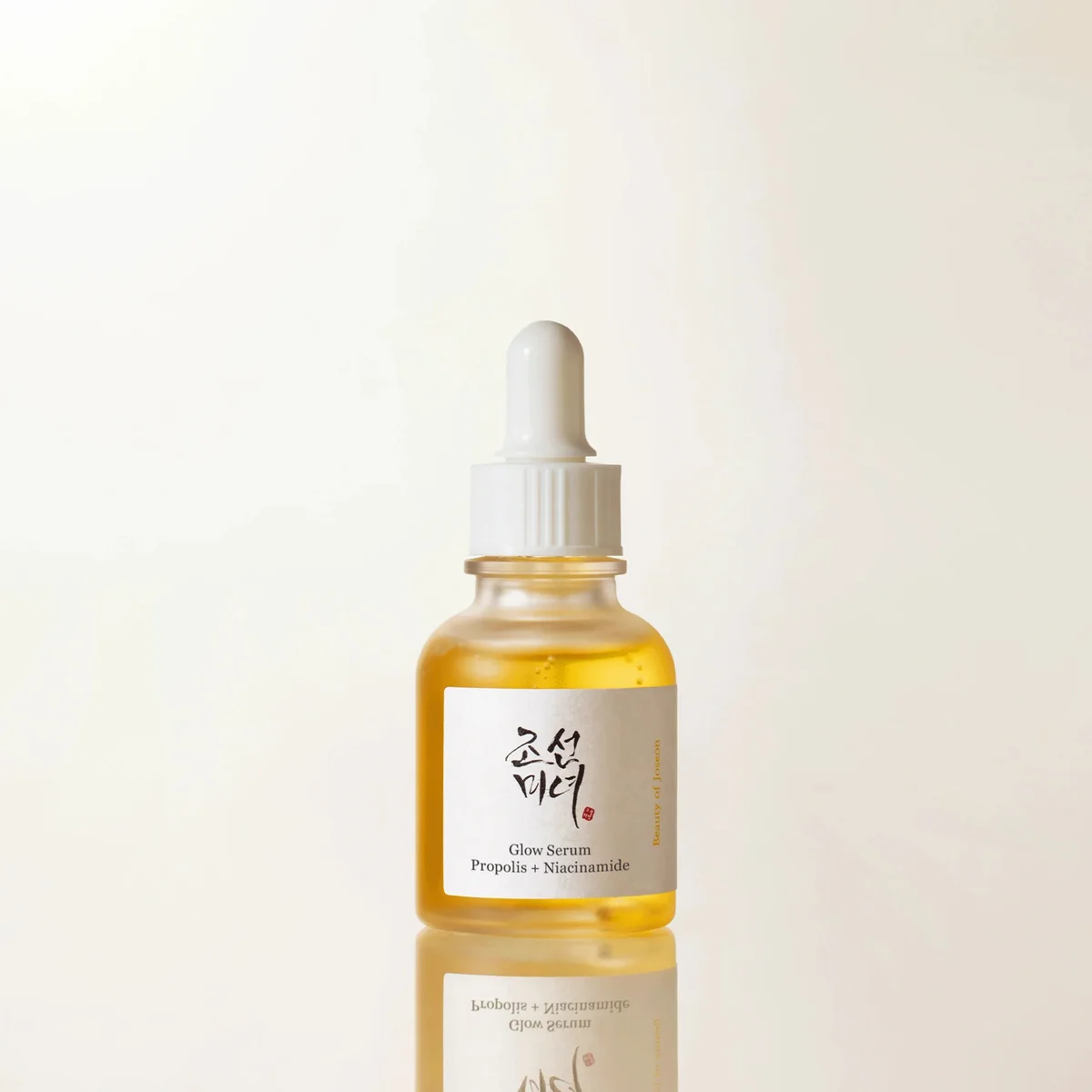
This is why Beauty of Joseon Glow Serum: Propolis + Niacinamide, which carries 2 percent niacinamide alongside propolis extract, scores an 8 of 10 for sebum control in our ranking data. It sits exactly on the concentration that Draelos studied, and its $17 price is a side effect of not needing more.
Why serums get labeled 10 percent or 20 percent
The number on the label is doing two jobs, only one of which is about efficacy. First, it is a shelf signal. A shopper comparing two near-identical dropper bottles tends to pick the one with a higher number, treating the percentage as a proxy for potency the way they would for retinol or vitamin C. An analysis in Marketing or Science notes that the industry has broadly converged on 10 percent as the aspirational concentration, even though controlled trial literature does not support that hierarchy. Second, and this is the one that sometimes has merit, a high percentage can reflect a formulation trade-off: when niacinamide is paired with another active that benefits from co-delivery, the full dose may be chosen to support the pairing.
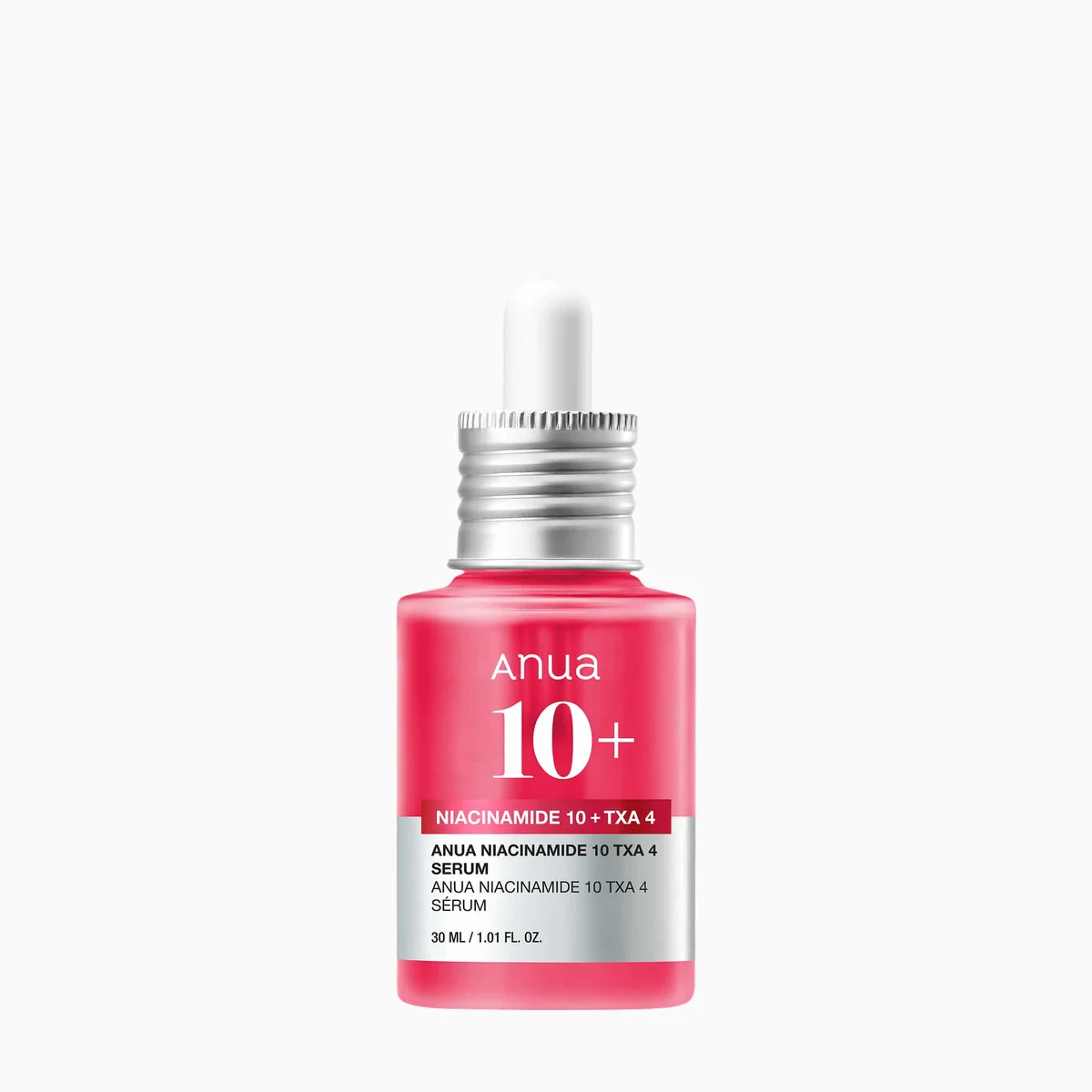
The clearest case in our ranking is the Anua Niacinamide 10% + TXA 4% Dark Spot Correcting Serum. The headline number is 10, but the actual pigmentation engine is the 4 percent tranexamic acid working on a different melanogenesis pathway. Niacinamide at 5 percent would likely deliver most of the brightening portion; 10 percent is there partly for the shelf label, partly as a co-formulant for the TXA. Anua's own product data lists it as not gentle enough for sensitive skin, which is consistent with a formula built for efficacy over tolerability.
Does more niacinamide mean more irritation?
Niacinamide, the molecule, does not cause the flushing that vitamin B3 is known for. Its chemical cousin niacin (nicotinic acid) triggers the vasodilation, warmth, and itch that some users experience. The practical problem is that niacinamide is manufactured from nicotinic acid, and incomplete conversion can leave residual nicotinic acid in the finished powder. As Aesthetic Med Guide summarizes the manufacturing chemistry, higher concentrations of niacinamide increase the presence of residual free nicotinic acid, which can trigger cutaneous vasodilation, flushing, itching, and transient stinging in acidic or warm skin environments. A pharmaceutical-grade 10 percent serum from a reputable supplier may irritate less than a cosmetic-grade 5 percent serum from a cheaper one.
This has two consequences. First, a higher labeled percentage brings more absolute impurity at the same purity grade, which is why stinging reports cluster on 10 and 20 percent products. Second, the serums at those percentages are often formulated with additional acids, alcohols, or exfoliants to keep the final product stable or to stack on more brightening, and those additions do their own stinging. If a niacinamide serum irritates, switching brands at the same percentage is a sensible first test before writing the ingredient off.
Where our ranked K-beauty serums sit on the scale
Across the twenty serums in our Best K-Beauty Serums of 2026 ranking, the niacinamide spread tells its own story: the premium formulas sit at 2 percent or below and the mass-market brightening specialists climb to 10 percent. The percentage is not correlated with our overall score, because niacinamide is one input among active ingredient quality, formulation gentleness, clinical evidence, and user reception.
| Serum | Niacinamide % | Price | Where it sits |
|---|---|---|---|
| Anua Niacinamide 10% + TXA 4% | 10% | $22 | Highest in our ranking; paired with tranexamic acid |
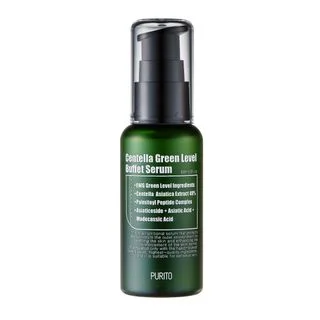
| Purito Centella Green Level Buffet | 5.6-6.9% | $25 | Above clinical plateau in a fragrance-free gentle base |
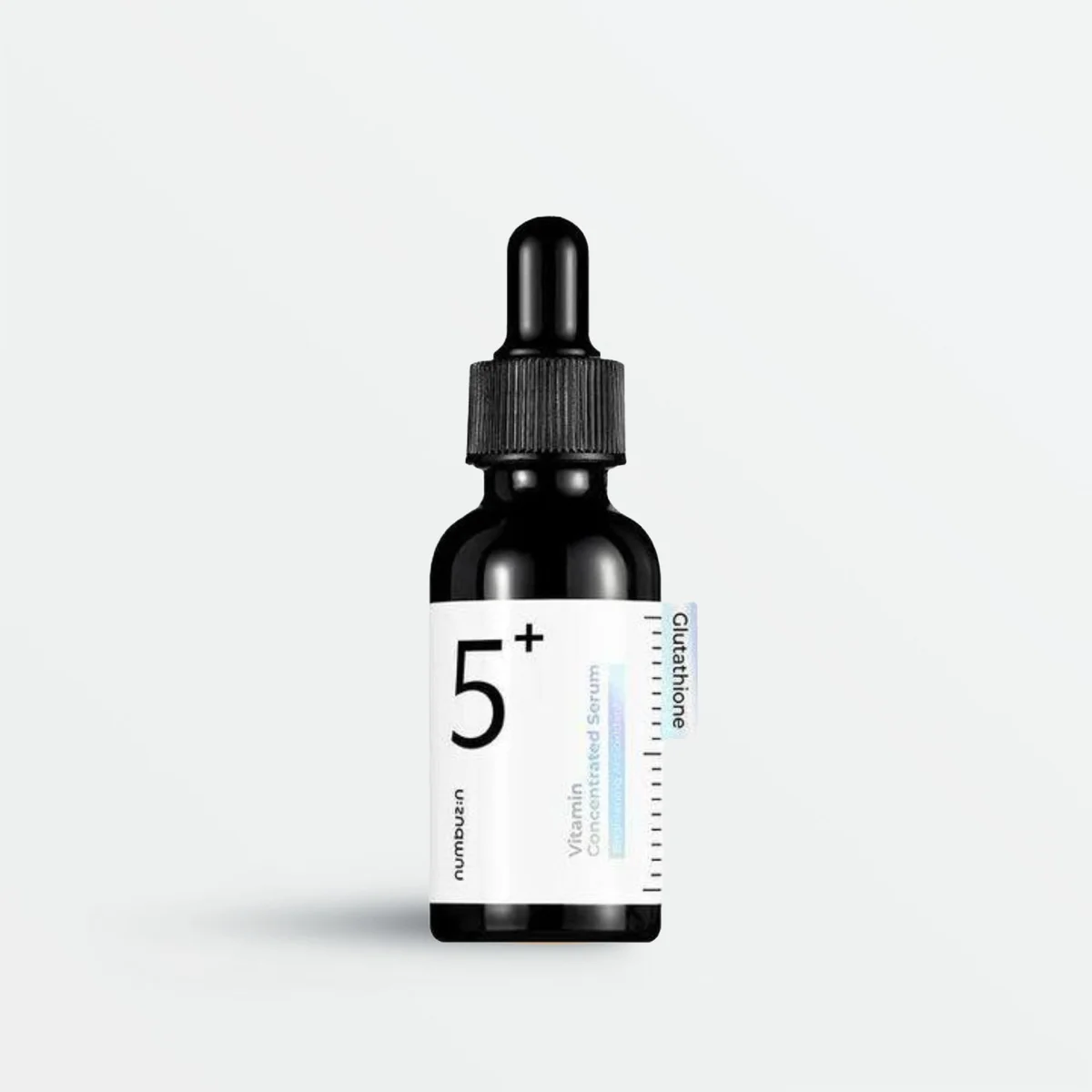
| Numbuzin No.5 Vitamin Concentrated | 5% | $20 | Plateau-level, paired with tranexamic acid and glutathione |
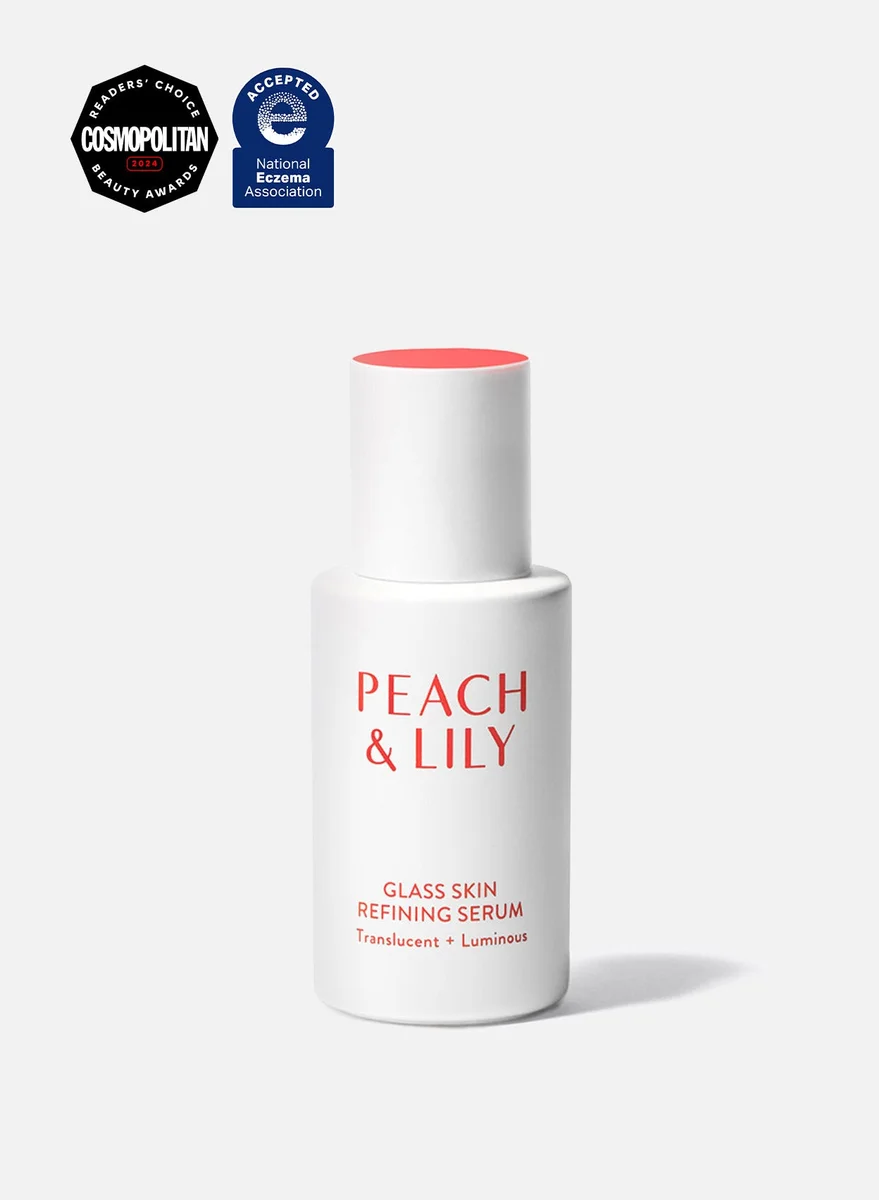
| Peach & Lily Glass Skin Refining | 5% | $39 | Plateau-level in a fragrance-free base |
| SKIN1004 Tone Brightening Capsule Ampoule | 4% | $26 | Mid-range dose paired with tranexamic acid |
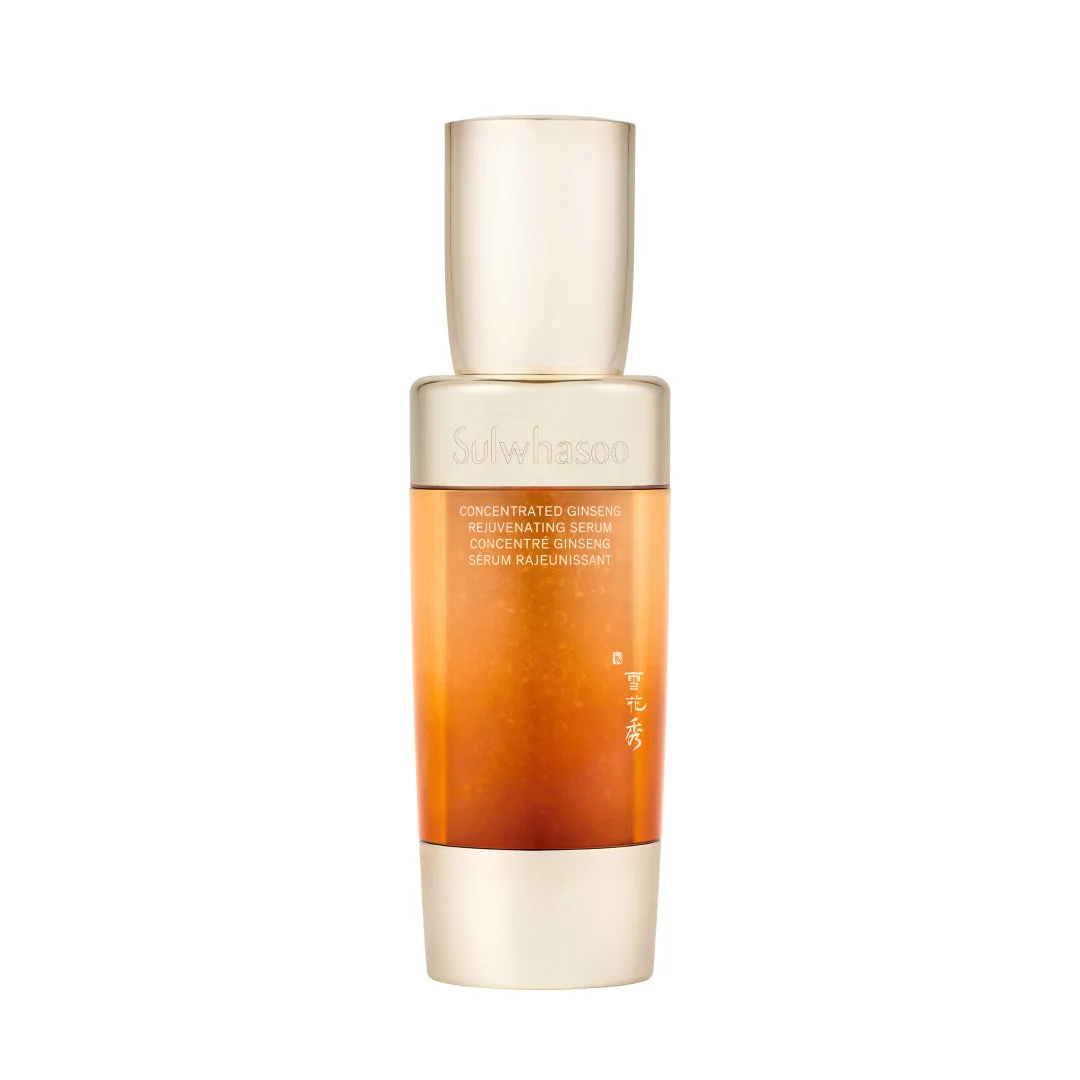
| Sulwhasoo Concentrated Ginseng Rejuvenating | 2% | $215 | Low supporting dose in a premium peptide and ginseng formula |
| COSRX The 6 Peptide Skin Booster | 2% | $25 | Supporting role behind six peptides |
| Beauty of Joseon Propolis + Niacinamide | 2% | $17 | Enough for sebum per Draelos data |
| Purito Azelaic Acid 10 Kojic Tea Tree | 2% | $25 | Minor role behind 10% azelaic acid |
| Beauty of Joseon Glow Deep Rice + Alpha-Arbutin | 1% | $17 | Token concentration; brightening comes from alpha-arbutin |
How to read a K-beauty niacinamide label past the percentage
Once you let go of the percentage as a potency proxy, the useful signals on a K-beauty niacinamide serum are small and specific. Is the niacinamide paired with something? Tranexamic acid in Numbuzin No.5 Vitamin Concentrated Serum and SKIN1004's Tone Brightening Capsule Ampoule attacks melanin on a different pathway than niacinamide does, which is why those formulas earn pigment-fading scores of 9 in our data at 4 to 5 percent niacinamide. Alpha-arbutin in the Beauty of Joseon Glow Deep Serum plays a similar supporting role. Azelaic acid at 10 percent in the Purito Azelaic Acid 10 Kojic Tea Tree Serum delivers the heavy brightening lift; its 2 percent niacinamide is an ensemble player.
The other label signal that matters is the base. A fragrance-free, gentle formulation at 5 percent niacinamide will usually irritate less than an aggressively perfumed formula at the same concentration. The Purito Centella Green Level Buffet Serum sits at roughly 5.6 to 6.9 percent niacinamide in a fragrance-free centella-dominant base and earns a calming efficacy score of 9 in our ranking data. That is a more useful shelf test than any percentage. If the first five ingredients include centella, panthenol, or glycerin rather than denatured alcohol, you can handle a higher niacinamide number than you otherwise could.
Is a higher-percentage serum worth the extra money?
Not on the percentage alone. The Anua 10% + TXA 4% serum is $22 for 30ml. The Beauty of Joseon Propolis + Niacinamide is $17 for 30ml at 2 percent. The Peach & Lily Glass Skin Refining Serum is $39 for 40ml at 5 percent. The price is being set by brand, bottle size, retail channel, and the other actives in the formula, not by the niacinamide concentration. A premium priced purely on the percentage is paying for the marketing number.
There are legitimate reasons to pay for a higher-concentration serum: the pairing with TXA or azelaic acid, the retail availability, the texture, or because you have oily skin that tolerates a drier, water-thin 10 percent formula better than a richer 5 percent one. There is no reason to pay for the number itself. If a brand's entire pitch is the double-digit on the label, the evidence does not back it.
The short version
If you want niacinamide for sebum control or an even skin tone, a 2 to 5 percent serum from a reputable K-beauty maker is where the clinical evidence sits, and most of the serums in our Best K-Beauty Serums of 2026 ranking fall in that range. If stubborn hyperpigmentation is the target, choose a 4 to 5 percent formula with a partner brightening active rather than a 10 percent niacinamide-only serum. Choose a 10 percent product when the full formula is doing something specific, as with the tranexamic acid pairing in the Anua serum, not because the number is bigger. Treat anything above 10 percent as a marketing claim until the brand points you to a controlled trial of that exact product.
See Best K Beauty Serums of 2026Questions people ask
Is 10% niacinamide better than 5%?+
Not in any published head-to-head trial with clinical endpoints. The pivotal pigmentation and sebum studies used 2 to 5 percent, and no large controlled trial has shown 10 percent delivering measurably better results on skin. Ten percent carries a slightly higher risk of stinging from residual nicotinic acid in the raw material, with no documented efficacy advantage.
How much niacinamide do I actually need in a serum?+
Two percent is enough for sebum reduction, per the Draelos 2006 trial. Four to five percent is where the pigmentation and barrier studies sit, per Bissett 2005, Hakozaki 2002, and Navarrete-Solís 2011. Above 5 percent, there is no documented additional benefit on measured skin outcomes.
Why do some serums have 2% niacinamide and others have 20%?+
It is a formulation and marketing choice. Formulas like the COSRX 6 Peptide Skin Booster or the Sulwhasoo Concentrated Ginseng Rejuvenating Serum use 2 percent as a supporting brightening dose behind their primary actives. Ten and twenty percent formulas use the number as a shelf signal, sometimes alongside a secondary active like tranexamic acid that justifies the higher dose.
What niacinamide concentration should I look for?+
Four to five percent if brightening or tone evenness is your main goal. Two to four percent if sebum control is. Anything above 5 percent is marketing-driven rather than evidence-driven, unless the formula pairs it with a second active like tranexamic acid or azelaic acid that benefits from the co-delivery.
Can too much niacinamide irritate your skin?+
Yes, mostly through residual nicotinic acid impurity in cheaper raw material. A higher labeled percentage means more absolute impurity at the same purity grade, which is why stinging reports cluster on 10 and 20 percent products. If a niacinamide serum stings, switching brands at the same percentage is a sensible first test before concluding you cannot tolerate the ingredient.
Does the niacinamide percentage on the label tell you anything useful?+
Only that the formulator chose to put a number on the box. It tells you nothing about purity, pH, partner actives, or base formulation, all of which matter more for whether the serum works for your skin. Look at the first five ingredients, any pairing active, and whether the formula is fragrance-free before relying on the percentage.
Are high-percentage niacinamide serums worth the extra cost?+
Not inherently. The Anua 10 percent serum is $22, the Beauty of Joseon 2 percent serum is $17, and the Peach and Lily 5 percent serum is $39. Price is driven by brand, bottle size, retail channel, and the other actives in the formula, not by the niacinamide number. A product that charges a premium purely for the headline percentage is charging for marketing.
Sources
What this guide is based on. We research from published specifications, independent reviews and owner reports; we did not test these products ourselves.
- 1.Niacinamide: A B Vitamin that Improves Aging Facial Skin Appearance, Bissett et al., Dermatologic Surgery, 2005
- 2.The effect of niacinamide on reducing cutaneous pigmentation and suppression of melanosome transfer, Hakozaki et al., British Journal of Dermatology, 2002
- 3.A Double-Blind, Randomized Clinical Trial of Niacinamide 4% versus Hydroquinone 4% in the Treatment of Melasma, Navarrete-Solís et al., Dermatology Research and Practice, 2011
- 4.The effect of 2% niacinamide on facial sebum production, Draelos et al., Journal of Cosmetic and Laser Therapy, 2006
- 5.Topical Nicotinamide Compared with Clindamycin Gel in the Treatment of Inflammatory Acne Vulgaris, Shalita et al., International Journal of Dermatology, 1995
- 6.Mechanistic Insights into the Multiple Functions of Niacinamide: Therapeutic Implications and Cosmeceutical Applications in Functional Skincare Products, Antioxidants (MDPI), 2024
- 7.Topical niacinamide reduces sallowness, Dermatology Times
- 8.Niacinamide for Skin: Benefits, Best Percentage, and the Evidence, Aesthetic Med Guide
- 9.Niacinamide at 5% vs. 10%: Is There a Real Clinical Difference?, Marketing or Science
Products mentioned
 Anua Niacinamide 10% + TXA 4% Dark Spot Correcting Serum
 Beauty of Joseon Glow Deep Serum: Rice + Alpha-Arbutin
 Beauty of Joseon Glow Serum: Propolis + Niacinamide
 COSRX The 6 Peptide Skin Booster Serum
 Numbuzin No.5 Vitamin Concentrated Serum
 Peach & Lily Glass Skin Refining Serum
 Purito Seoul Azelaic Acid 10 Kojic Tea Tree Serum
 Purito Centella Green Level Buffet Serum
 SKIN1004 Madagascar Centella Tone Brightening Capsule Ampoule
 Sulwhasoo Concentrated Ginseng Rejuvenating Serum
More on k-beauty serums
Explainer
Fragrance in K-Beauty Serums: When It Is a Problem and When It Is Not
Fragrance is the second most common contact allergen in cosmetics, but it is not a universal skin danger. When to insist on fragrance-free K-beauty serums, and when not to.
Explainer
K-Beauty Serum vs Essence vs Ampoule: What the Labels Actually Mean
Serum, essence, and ampoule are loose K-beauty terms, not fixed strength tiers. Here is how to read past the label and pick what your skin needs.
Buying guide
How to Choose a K-Beauty Serum: Match Your Concern, Not the Hype
Pick a Korean serum by your main skin concern and the active that treats it, then filter by clinical backing, sensitivity, and where it fits in a routine.